
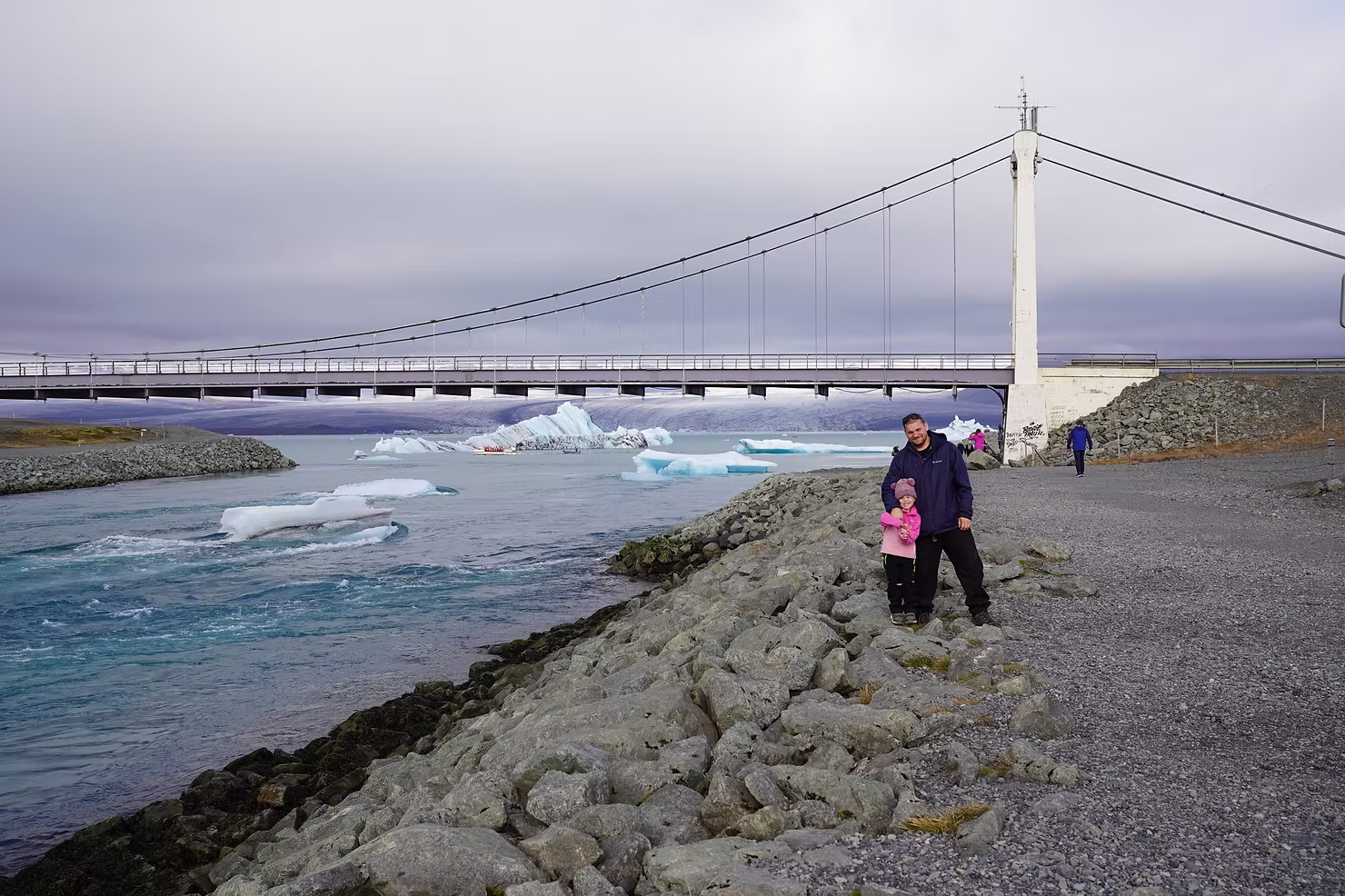
Iceland is one of the most breathtaking destinations in the world, and it can be an incredible place to explore as a family. From waterfalls and glaciers to volcanoes, black sand beaches, and hot springs, the scenery feels straight out of a storybook. That said, traveling to Iceland with kids does require some preparation. The weather is unpredictable, the landscape is wild, and costs can add up quickly if you’re not careful. After visiting Iceland with our family, we’ve put together our best travel tips for families visiting Iceland to help you plan a smoother, safer, and more enjoyable trip—whether you’re traveling with toddlers, young kids, or teens.
Read Our Full 10-Day Itinerary!
Bookmark these reads for later:
- How to Plan a Trip to Iceland: A Complete First-Timer’s Guide
- Iceland Packing List for Families: What to Pack for All Seasons
- Top Things to Do in Reykjavik: Complete Guide to Iceland’s Capital
- Where to Stay in Reykjavik: Best Areas + Family-Friendly Hotels
- Renting a Car in Iceland: Complete Guide to Rentals & Driving Tips
- Best Things to Do in Iceland for Kids: Ultimate Guide to Family Adventures
- 50 Incredible Things to Do in Iceland: Must-See Places & Experiences
- How to Save Money in Iceland: Budget Travel Tips That Actually Work
- Best Places to Eat in Reykjavik: A Quick Food Guide to Must-Try Restaurants
- 8 Iceland Hidden Gems You Need to Experience for Yourself
- Best Time to Visit Iceland for Families: Weather, Seasons & Safety Tips
- 10 Fun Facts About Iceland That Surprise Most Travelers
Shop Our Kids Activity Workbooks – Available As Instant PDF Downloads!

This blog may include affiliate links, meaning if you buy something through one of our links, I could earn a small commission at no extra cost to you. Affiliate links help sustain our blog and allow us to continue traveling. Thank you for your support!
Packing & Clothing Tips for Iceland With Kids
Iceland’s weather is famously unpredictable, no matter the time of year. You can experience sunshine, rain, wind, and cold all in the same day. Packing smart is key, especially when traveling with children. These tips will help you stay comfortable and safe no matter what the Icelandic skies throw at you.
1. Pack Layers for Everyone
Iceland’s weather changes quickly, even within a single day. Pack long-sleeve base layers, fleece mid-layers, waterproof jackets and pants, warm socks, hats, gloves, and scarves. Swimsuits are essential for lagoons and hot springs.
2. Always Bring Rain Gear
Rain and wind are common year-round. Waterproof jackets and pants are essential for both adults and kids.
3. Wear Fully Waterproof Gear for Waterfalls
You may also consider a visit to a waterfall (or multiple!) during your trip – famous falls like Seljalandsfoss offer the opportunity to walk behind the cascade. This is an exciting experience, but note that you will get soaked, so it’s best to wear a completely waterproof outer layer to keep dry and warm. Waterproof jackets, pants, and shoes are necessary. Ponchos can work too.

4. Choose Shoes With Good Grip
Iceland’s trails are rocky, uneven, and sometimes slippery. Hiking boots or sturdy shoes with strong traction are recommended, especially for hikes involving river crossings. You may also consider a tour to an ice cave or a glacier walk. These activities require hiking boots to participate. You can rent them with the tour provider in most cases, but it’s best to bring your own.
5. Pack a Hat, Gloves, Scarf & Warm Socks
Even in summer, wind chill can make temperatures feel freezing. Protect kids’ extremities to avoid discomfort or hypothermia on colder days. Wool socks work wonders for little toes and make sure gloves aren’t thin. A waterproof exterior is best for gloves.

Transportation & Road Safety Tips
Getting around Iceland safely with kids requires more than just a car — it requires planning. The roads are easy to navigate, but weather conditions, wind, and long stretches between services can pose challenges. These tips will help you stay safe on the road.
6. Rent a Car for Flexibility
Renting a car is the most convenient way for families to explore Iceland. The Ring Road is easy to navigate, and having your own vehicle allows you to travel at your own pace, which is ideal when traveling with kids. If you plan to venture beyond Reykjavík (which we highly recommend), guided tours can become expensive quickly. With some preparation and planning, self-driving is straightforward in most seasons and can save your family a significant amount compared to booking multiple tours.

7. Include Sand and Ash Insurance
Wind can blow volcanic sand and ash across roads, which can damage cars. Make sure your rental includes sand and ash coverage – standard insurance often doesn’t. We booked our rental with Blue Car, which included all necessary insurances, including sand and ash coverage.
8. Hold Onto Car Doors in Wind
Iceland’s strong winds can easily slam car doors open. Always park facing into the wind and hold the door firmly when opening it, helping children do the same. Rental agencies frequently warn about this, and many cars have reminder stickers on the doors. Keep in mind that any damage caused by wind is usually not covered by insurance, as it’s often considered negligence.
9. Check Weather and Road Conditions Daily
Iceland’s weather can change rapidly, and roads can become dangerous in minutes due to wind, snow, ice, or volcanic activity. Checking conditions before you head out each day is essential for keeping your family safe.
Use these official resources to stay informed:
- Vedur.is – Icelandic Meteorological Office for up-to-date weather forecasts, wind alerts, and avalanche warnings.
- Road.is – Icelandic Road and Coastal Administration for real-time road conditions, closures, and traffic alerts.
- Safetravel.is – Provides safety updates, travel advisories, and recommended precautions for all regions of Iceland.
Tips for families:
- Check both road and weather conditions before leaving, especially when traveling outside Reykjavik.
- Pay attention to wind warnings — strong gusts can make driving, opening doors, or even walking outside dangerous.
- Be flexible with your itinerary; if a road is closed or conditions are poor, it’s always safer to adjust plans than risk unsafe travel.
10. Know the Gas Station and Rest Stop Plan
Outside Reykjavik, gas stations and services can be sparse. Keep your tank topped off and carry snacks or water for long stretches, especially when traveling with kids.
Looking for a full list of tried and tested travel essentials?

Safety, Rules & Respecting Nature
Iceland’s natural beauty is fragile, and safety hazards are real. Respecting the environment and following local rules will keep your family safe while ensuring that Iceland remains beautiful for future visitors.
11. Stay on Marked Paths
Stepping off trails damages fragile moss and lichen, and in some areas it’s illegal. Staying on paths protects the environment and keeps families safe. Fines can be substantial for driving or walking in protected areas.

12. Watch for Sneaker Waves
Sneaker waves are unexpectedly large, powerful waves that can surge much farther up the shore than normal waves. They often come without warning and can knock people off their feet or drag them into the ocean. These waves are particularly dangerous in Iceland and have caused injuries and fatalities over the years.
They are most notorious at Reynisfjara Black Sand Beach, but can occur at other beaches along Iceland’s coastline as well. Always follow these safety precautions:
- Keep a safe distance from the water, well above the high-tide line.
- Never turn your back to the ocean — always watch for incoming waves.
- Obey all posted warning signs and local guidance.
- Keep children close and under constant supervision near the shore.

13. Respect Geothermal Areas
Hot springs, mud pools, and geysers are beautiful but can be scalding or unstable. Keep kids close and follow posted safety signs. Always pay attention to signs and warnings and never leave children unattended.

14. Avoid Walking on Glaciers Without a Guide
Glaciers look safe, but hidden crevasses make solo exploration dangerous. Always go with a certified guide if planning a glacier walk. Guides will ensure you have the proper equipment and knowledge to traverse the glacier safely.
Family-Friendly Experiences & Budget Tips
Traveling in Iceland can be expensive, but careful planning allows your family to enjoy incredible experiences without overspending. These tips focus on kid-friendly activities, food, and affordable ways to explore Iceland.
15. Look for Kid-Friendly Alternatives to Tours
Some tours have age limits for safety or other reasons. While there are a wide range of family-friendly experiences, some things are best saved for when kids are older. For example, Jökulsárlón zodiac boat tours require kids to be 8+. During our visit, our kids were only 2 and 4 years old, meaning this wasn’t a safe activity for them. After some research, we found a tour on the lagoon that used a different kind of boat (an amphibious boat) that our children were able to go on. Looking for kid-friendly alternatives based on your child’s age or comfort level is a great strategy for certain activities or experiences. In some cases, there may be a modified version suitable for all ages.

16. Bring Snacks and Easy Meals From Home
Food in Iceland is expensive, especially when dining out. To save on costs, book a stay with a kitchen and hit a local grocery store to cook your own meals. Pack lunches on daily excursions and bring plenty of snacks and water. To save even more money, we recommend bringing non-perishable snacks, cup noodles, or simple meals from home.
17. Skip the Blue Lagoon if Budget-Conscious
The Blue Lagoon is pricey and crowded. Luckily, Iceland is full of amazing hot springs and geothermal areas that won’t break the bank. Instead of the Blue Lagoon, explore natural hot springs, many of which are free or low-cost and less touristy. Great options include the Secret Lagoon (about $25 pp) or Reykjadalur Hot Springs (free).

18. Try Icelandic Food
Encourage kids to try new dishes, but also stick to familiar options if needed. Our favorites include lamb soup and reindeer burgers (even the kids loved these!) For adventurous eaters, consider fermented shark, whale, and puffin. Consider a food tour in the capital city of Reykjavik to get a deeper insight while tasting all the local favorites.

19. Get Out of Reykjavík
While Reykjavik is a beautiful city with lots to do and is definitely worth some time, don’t spend your whole trip there. The real beauty of Iceland is outside the capital. Plan visits to waterfalls, glaciers, volcanoes, black sand beaches, and scenic drives down the coast.
Extra Helpful Tips
Even with careful planning, some small details make a huge difference for families visiting Iceland.
20. Bring a Reusable, Insulated Water Bottle
Tap water in Iceland is clean, safe, and delicious. Using an insulated bottle keeps water cold all day and saves money on bottled water (and also better for the environment!). Our favorite reusable bottle is the Coldest brand bottles.
Frequently Asked Questions About Visiting Iceland With Kids
Planning a family trip to Iceland often comes with lots of questions — from safety and weather to kid-friendly activities and budgeting. Below are answers to some of the most common questions families have when visiting Iceland, so you can feel more confident and prepared for your adventure.
Q1: What’s the best time of year to visit Iceland with kids?
Iceland can be visited year-round, but the experience varies by season. Summer (June–August) has long daylight hours, milder temperatures, and easier road conditions. Winter (November–March) offers the chance to see the Northern Lights, but the weather can be harsher, and some roads may be closed. Spring and early fall provide fewer crowds, but you’ll still need warm layers and waterproof gear.

Q2: How do I find kid-friendly activities in Iceland?
Some tours and attractions have age or height restrictions. Always check the requirements before booking. If your children are younger, look for alternatives like:
- Amphibious boat tours instead of zodiac tours at Jökulsárlón.
- Family-friendly hikes on well-maintained trails.
- Interactive museums or geothermal pools near towns.
Planning ahead ensures everyone can participate safely and have fun.
Q3: Are public restrooms and facilities easy to find?
Outside of Reykjavík and major tourist spots, public restrooms can be sparse. Bring wipes and hand sanitizer, especially when traveling with toddlers or on long road trips. Gas stations often have restrooms, but some may require a small fee.
Q4: Do I need a special stroller or baby carrier for Iceland?
Yes, terrain matters. Gravel paths, rocky trails, and uneven surfaces make travel with standard strollers difficult. Consider:
- Large-wheel or all-terrain strollers for easier navigation.
- Baby carriers or hiking backpacks for trails and waterfall walks.
We would recommend leaving the stroller at home and opting for a soft carrier or hiking pack for the smallest travelers. While we did use our stroller in the capital city easily, we used a soft carrier for waterfall visits and hikes, never finding any other use for the stroller.
Q5: How do I safely chase the Northern Lights with kids?
Northern Lights viewing requires:
- Dark skies, away from city lights.
- Clear skies: check cloud coverage apps in addition to aurora forecast apps.
- Warm layers, snacks, and a comfortable place to wait.
- Flexibility & patience: Even strong aurora activity won’t be visible if clouds cover the sky.
We found it simple to pack our kids in the rental car in their pajamas with some snacks while we drove around looking for the lights ourselves. They fell asleep, and when we saw the lights, we woke them to see. You might also consider booking cabins or local stays outside the city where Northern Lights may be visible directly from your windows.

Q6: Can kids swim in Iceland’s hot springs?
Yes! Many hot springs and geothermal pools are family-friendly. For example, the Blue Lagoon allows children over 2, as long as they wear one of the provided life vests. Always check the water temperature first, as some pools can be very hot. Pools with lifeguards are recommended if you have younger children. Natural hot springs offer a quieter, less crowded experience than commercial spas like the Blue Lagoon. Note that for safety reasons, you should limit the amount of time young children spend in the springs, giving them frequent breaks and keeping them hydrated.
Q7: Are there any safety concerns for hiking with kids?
Iceland’s trails can be slippery, rocky, or involve river crossings. Tips for hiking safely with kids:
- Keep everyone on marked paths.
- Wear proper shoes with a good grip.
- Bring snacks, water, and layers.
- Know your family’s limits and plan shorter hikes if needed.
- Always check weather and safety conditions ahead of time.
Following these precautions makes hiking a fun and memorable experience for everyone.

Q8: How can I save money while traveling in Iceland with kids?
- Pack snacks and easy meals from home.
- Bring reusable water bottles instead of buying bottled drinks.
- Skip expensive attractions like the Blue Lagoon in favor of free or low-cost natural hot springs.
- Shop at grocery stores for occasional meals to balance restaurant costs.
- Consider traveling in a group to split accommodation or tour costs.
- Book well in advance and travel in off-peak seasons.
- Choose a rental car over multiple guided tours.
Iceland is expensive, but with a little planning, you can make your trip more budget-friendly.
Final Thoughts on Visiting Iceland With Kids
Iceland is an unforgettable destination for families, offering incredible natural beauty, adventure, and learning opportunities for kids of all ages. With the right preparation—packing smart, planning kid-friendly activities, and respecting the environment—you can have an amazing, stress-free family trip.
These travel tips for families visiting Iceland will help you stay safe, manage costs, and make the most of your time exploring one of the world’s most unique countries.
If you’re planning a family trip to Iceland, it’s absolutely worth it—and your kids will be talking about it for years to come. We’re already dreaming of going back for more!
Check out our video guides:

Leave a Reply