
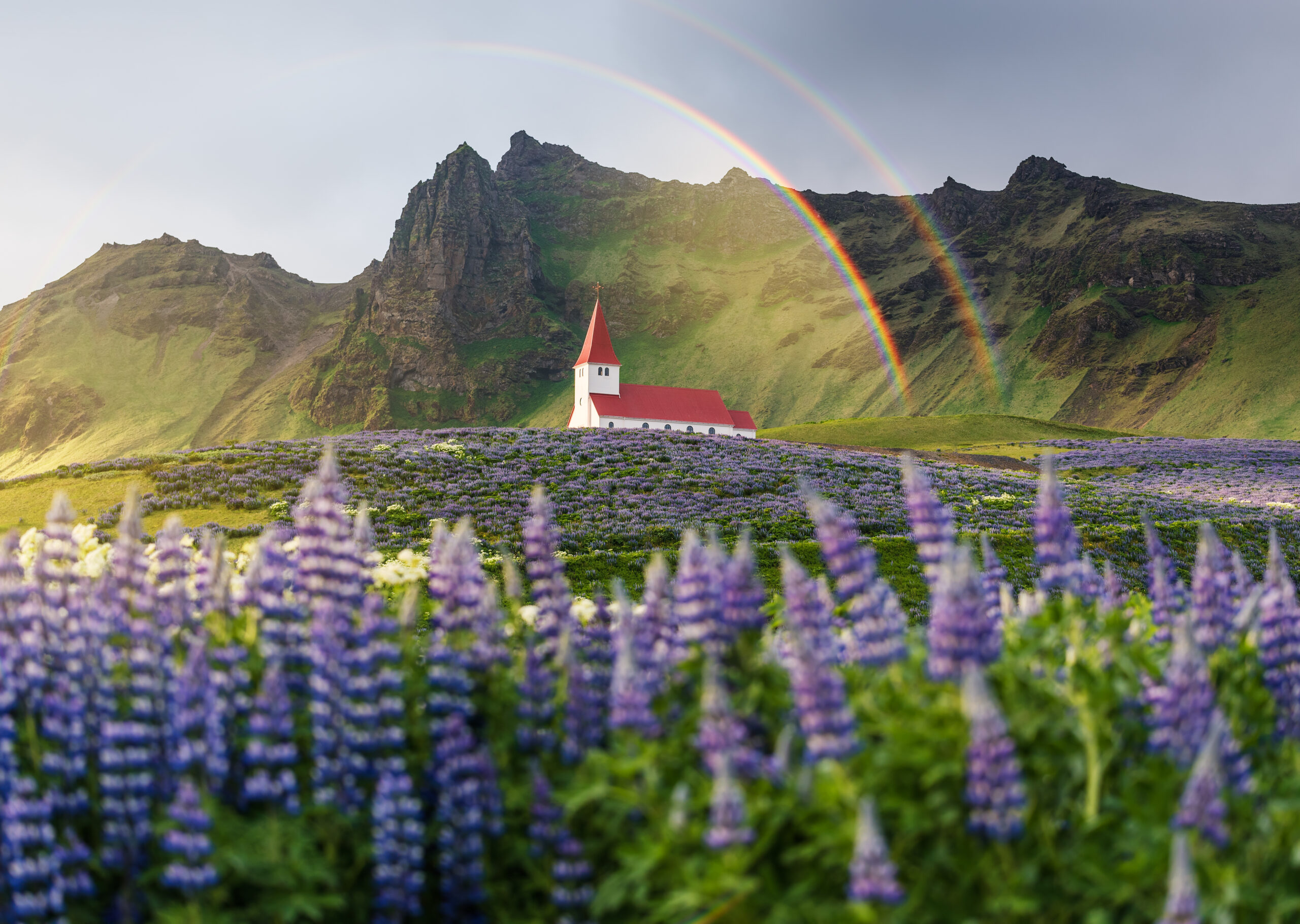
Iceland—often called the land of fire and ice—is a destination unlike anywhere else in the world. From steaming geothermal pools and erupting volcanoes to massive glaciers and dramatic waterfalls, the country offers unforgettable experiences at every turn.
While Iceland is a dream destination for many, planning a trip here can feel overwhelming due to costs, weather, logistics, and the sheer number of things to do. This guide is designed to simplify the process.
Rather than overwhelming you with every detail, this post serves as a planning hub—helping you understand when to go, how to get around, what to prioritize, and how to book your trip efficiently. Throughout the guide, we’ll point you to more detailed resources where you can dive deeper into specific topics.
Read Our Full 10-Day Itinerary!
Bookmark these reads for later:
- Iceland Packing List for Families: What to Pack for All Seasons
- Travel Tips for Families Visiting Iceland: Everything You Need to Know
- Top Things to Do in Reykjavik: Complete Guide to Iceland’s Capital
- Where to Stay in Reykjavik: Best Areas + Family-Friendly Hotels
- Renting a Car in Iceland: Complete Guide to Rentals & Driving Tips
- Best Things to Do in Iceland for Kids: Ultimate Guide to Family Adventures
- 50 Incredible Things to Do in Iceland: Must-See Places & Experiences
- How to Save Money in Iceland: Budget Travel Tips That Actually Work
- Best Places to Eat in Reykjavik: A Quick Food Guide to Must-Try Restaurants
- 8 Iceland Hidden Gems You Need to Experience for Yourself
- Best Time to Visit Iceland for Families: Weather, Seasons & Safety Tips
- 10 Fun Facts About Iceland That Surprise Most Travelers
Shop Our Kids Activity Workbooks – Available As Instant PDF Downloads!

This blog may include affiliate links, meaning if you buy something through one of our links, I could earn a small commission at no extra cost to you. Affiliate links help sustain our blog and allow us to continue traveling. Thank you for your support!
Background: Welcome to Iceland
Iceland, often called the “Land of Fire and Ice,” is a Nordic island nation located in the North Atlantic Ocean, just south of the Arctic Circle. Known for its dramatic landscapes of glaciers, volcanoes, waterfalls, and geothermal hot springs, Iceland attracts travelers seeking natural beauty, adventure, and unique cultural experiences.

A Brief History
Iceland was settled in the 9th and 10th centuries by Norse explorers, primarily from Norway, along with some Celtic settlers from the British Isles. It gained independence from Denmark in 1944 and has since grown into a modern, democratic nation with a strong cultural identity rooted in Viking heritage and rich folklore.
Language and Culture
The official language is Icelandic, a language closely related to Old Norse, but English is widely spoken throughout the country, especially in tourist areas. Icelanders are known for their friendliness, environmental awareness, and respect for nature. Cultural highlights include traditional music, literature, and the strong tradition of storytelling.
Currency and Practical Info
The currency used is the Icelandic Krona (ISK). Credit and debit cards are widely accepted, even for small purchases, but it’s always good to have some local cash for remote areas. Iceland is generally safe, with low crime rates, making it a comfortable destination for solo travelers, families, and couples alike.
Why Tourists Love Iceland
Tourists flock to Iceland for its stunning natural wonders, including the Northern Lights, black sand beaches, massive glaciers, and geothermal spas. Adventure sports such as glacier hiking, snowmobiling, and snorkeling between tectonic plates offer unforgettable experiences. Additionally, Iceland’s compact size makes it easy to explore both urban centers like Reykjavik and remote wilderness areas in a single trip.
Fun Facts
- Iceland has more hot springs than anywhere else in the world.
- The population is just over 370,000, making it one of the least densely populated countries in Europe.
- Despite its northern location, the Gulf Stream keeps the climate milder than you might expect.
- Icelanders are proud of their strong literary tradition and celebrate the annual Icelandic Book Flood on April 23rd, known as “Bókaflóð.”
Best Time of Year to Visit Iceland
Choosing the right time to visit Iceland depends entirely on what you want to experience. Each season offers something unique. Having visited in both in January and September, we prefer September for families with children. The weather can be unpredictable throughout the year, but we found the weather in September pleasant for outdoor activities and exploring with less rain than on our January trip. January can be very cold and snowy, making it less ideal for road trips.
Summer (June–August)
Summer is Iceland’s peak season, thanks to long daylight hours, mild temperatures, and easy road access. With average temperatures between 12–15°C (54–59°F), it’s ideal for hiking, road trips, whale watching, and exploring the Highlands. This is also the best time to see puffins and experience the Midnight Sun.
Because demand is high, accommodation and car rental prices can be up to 30% higher. Booking several months in advance is essential.
Read more about the best time to visit Iceland for families!
Winter (December–February)
Winter is the season for Northern Lights hunting and dramatic snowy landscapes. Temperatures typically range from -5°C to -1°C (23 – 30°F), and while daylight is limited, winter activities like ice caving, glacier tours, and soaking in hot springs are magical.
Crowds are smaller, and accommodation prices are often lower than in summer, though weather-related delays are more common.
Shoulder Seasons (April–May & September–October)
The shoulder seasons offer the best balance of cost, weather, and crowd levels. Temperatures range from 5–10°C (41–50°F), and prices are generally 10–25% lower than peak season.
From personal experience, September stands out. During our September trip, the weather was mild, outdoor activities were comfortable (even with kids), and we still had great Northern Lights sightings—all with fewer crowds and slightly cheaper costs.


What to Do in Iceland (At a Glance)
Iceland offers an incredible range of experiences for all ages and travel styles. Rather than listing everything, here’s a snapshot of the main categories to help you decide what to prioritize.
Natural Highlights
- The Golden Circle (Þingvellir National Park, Geysir, Gullfoss).
- Black sand beaches like Reynisfjara
- Waterfalls, lava fields, glaciers, canyons, and volcanic craters.

Geothermal Experiences
- Famous spas like the Blue Lagoon and Sky Lagoon.
- Budget-friendly or natural options like Secret Lagoon and Reykjadalur Hot Springs.
Adventure Activities
- Glacier hiking and snowmobiling.
- Ice caves and volcano tours.
- Snorkeling between tectonic plates at Silfra.

Family-Friendly Experiences
Many tours and attractions are surprisingly kid-friendly, making Iceland a great destination for families.
Read more about things to do in Iceland!
- Top Things to Do in Reykjavik: Complete Guide to Iceland’s Capital
- Best Things to Do in Iceland for Kids: Ultimate Guide to Family Adventures
- 50 Incredible Things to Do in Iceland: Must-See Places & Experiences
- 8 Iceland Hidden Gems You Need to Experience for Yourself
- The Best Reykjavik Day Tours for Families (No Car Needed!)
Looking for a full list of tried and tested travel essentials?

Where to Stay in Iceland
Accommodation plays a big role in your overall budget and experience. Iceland offers a wide range of options, but prices vary significantly by season and location.
Hotels & Guesthouses
Reykjavík has everything from luxury hotels to cozy guesthouses and hostels. Guesthouses often include breakfast and offer a more local, homey feel.
Airbnbs & Farm Stays
Staying outside the city in an Airbnb or on a working farm can be more affordable and immersive. Many farm stays offer unforgettable scenery and authentic Icelandic hospitality.

Camping & Campervans
Camping is one of the most budget-friendly ways to travel in Iceland, with campsites spread across the country. Campervans add flexibility and comfort while keeping costs down.
Check out our 10-day sample itinerary with places to stay, eat, and explore each day!
Renting a Car in Iceland
For most travelers, renting a car is the easiest and most flexible way to explore Iceland.
- Compact cars work well for Reykjavík and the Ring Road
- SUVs or 4WD vehicles are better for gravel roads and winter conditions
- F-roads (Highland roads) require approved 4WD vehicles and are only open in summer
- Another increasingly popular option in Iceland is renting a camper van. This can be an affordable and adventurous way to really immerse yourself in the beautiful landscapes of Iceland. Check out Rent Nordic for affordable camper options!

We personally recommend Blue Car Rental, as their pricing includes full insurance coverage, which removes a lot of stress. Another popular rental agency is Lava Car Rental, which also offers great rates on a variety of rental options. It’s worth comparing multiple sites to find the car you need at an affordable price.
Read more about renting a car in Iceland in our complete car rental guide!
How Much Does a Trip to Iceland Cost?

Iceland has a reputation for being expensive, but costs are manageable with good planning. Planning and booking in advance and remaining flexible on travel dates can save you hundreds on your trip.
- Flights: Often $300–600 USD round-trip from North America
- Accommodation: Budget stays from ~$22 USD/night in hostel-style dorms (single travelers). Hotels and family accommodation are much higher, especially in peak season. Nightly rentals for a family of 4 average around $200 per night in shoulder season.
- Food: Dining out is expensive (very expensive!), but cooking saves significantly, although grocery prices are a bit more than most places.
- Activities: Many natural sights are free to visit, but guided tours can add up quickly.
A Simple Step-by-Step Planning Framework
If you’re feeling overwhelmed, use this order to plan efficiently:
- Set your overall budget – make sure it’s realistic.
- Choose travel dates based on priorities, but remaining flexible, even by a day or two, can help.
- Book flights – use apps that track prices over time so you know when to book for the best deal.
- Outline a flexible itinerary – this helps you mark out where to stay each night of your trip.
- Reserve accommodations (try for free cancellation options so plans can stay flexible).
- Book your rental car – make sure it has adequate insurance for your trip.
- Pack for the season – make a list so you don’t forget anything.
- Book travel insurance, eSIMs (or arrange data plan with your carrier), & check visa requirements (based on nationality)

Read more about planning your trip!
- 10-Day Iceland Road Trip for Families: Your Ultimate Adventure!
- Iceland Packing List for Families: What to Pack for All Seasons
- Best Travel Credit Cards for Families: Rewards That Simplify Travel
- Best Travel Apps For International Trips With Kids: 25 Must-Haves
Essential Travel Tips for Iceland
- Dress in layers—weather changes fast, no matter the season.
- Drink the tap water—it’s some of the cleanest in the world. Bring an insulated water bottle to refill.
- Respect nature—stay on paths and avoid fragile moss. There are legal implications for stepping on Iceland’s flora.
- Plan internet access with a SIM or eSIM – typically cheaper than using your home data carrier.
- Be patient at popular sites and restaurants, especially during peak season. Iceland has become very popular, so it’s understandably busy at many sites.
Planning a trip to Iceland doesn’t have to be complicated. With the right timing, thoughtful planning, and realistic budgeting, you can experience one of the most extraordinary destinations on Earth without unnecessary stress.
Use this guide as your starting point, explore the detailed resources linked throughout, and build a trip that matches your travel style. Iceland has a way of surprising even the most seasoned travelers—and chances are, it won’t be your last visit.
Check out our video guides:

Leave a Reply