
Iceland is one of the most magical destinations in the world for families, offering waterfalls, glaciers, wildlife, volcanoes, and unforgettable outdoor adventures. But when planning a trip with kids, choosing the best time to visit Iceland can feel overwhelming—especially when you factor in unpredictable weather, daylight hours, and seasonal activities.
We’ve personally visited Iceland in January and September, experiencing both winter and shoulder-season travel. While September ended up being our preferred time overall, we faced strong wind and rain during both trips, which perfectly highlights one of the most important things families should know: Iceland’s weather is unpredictable year-round!
This guide breaks down the best time to visit Iceland for families by season, covering weather, activities, wildlife, cultural events, packing tips, and safety considerations—so you can choose the season that best fits your family’s travel style.
Table of contents
- A Quick Note on Iceland’s Weather (Year-Round Reality)
- Winter in Iceland (December – February)
- Spring in Iceland (March – May)
- Summer in Iceland (June – August)
- Fall in Iceland (September – November)
- What Families Should Pack (Any Season)
- Safety Tips for Families Visiting Iceland
- So… When Is the Best Time to Visit Iceland for Families?
Read Our Full 10-Day Itinerary!
Bookmark these reads for later:
- How to Plan a Trip to Iceland: A Complete First-Timer’s Guide
- Iceland Packing List for Families: What to Pack for All Seasons
- Travel Tips for Families Visiting Iceland: Everything You Need to Know
- Top Things to Do in Reykjavik: Complete Guide to Iceland’s Capital
- Where to Stay in Reykjavik: Best Areas + Family-Friendly Hotels
- Renting a Car in Iceland: Complete Guide to Rentals & Driving Tips
- Best Things to Do in Iceland for Kids: Ultimate Guide to Family Adventures
- 50 Incredible Things to Do in Iceland: Must-See Places & Experiences
- How to Save Money in Iceland: Budget Travel Tips That Actually Work
- Best Places to Eat in Reykjavik: A Quick Food Guide to Must-Try Restaurants
- 8 Iceland Hidden Gems You Need to Experience for Yourself
- 10 Fun Facts About Iceland That Surprise Most Travelers
Shop Our Kids Activity Workbooks – Available As Instant PDF Downloads!

This blog may include affiliate links, meaning if you buy something through one of our links, I could earn a small commission at no extra cost to you. Affiliate links help sustain our blog and allow us to continue traveling. Thank you for your support!
A Quick Note on Iceland’s Weather (Year-Round Reality)
Weather in Iceland can be famously unpredictable, and being informed about conditions before and during your trip is essential for both safety and comfort—especially when traveling as a family.

No matter when you visit Iceland, expect:
- Rapid weather changes: It’s common to experience sunshine, rain, and strong winds all within a single hour. Clear skies can quickly turn stormy, so flexibility in your daily plans is key and bringing the right clothing is essential for comfort.
- Powerful winds: Iceland’s winds are no joke. Gusts can be strong enough to knock people off balance and, yes, car doors really can be ripped off if opened carelessly. Always hold onto doors firmly when opening them and be extra cautious in parking areas and exposed locations. Rental agencies will not cover this kind of damage.
- Cool temperatures year-round: Even during summer, temperatures are often cooler than visitors expect. Chilly winds and overcast days can make it feel colder than the thermometer suggests, particularly near waterfalls, glaciers, and the coast.
- Rain in every season: Rain (and sometimes sleet) is possible at any time of year. Short showers can come and go quickly, but steady rain can also impact visibility and road conditions.
To stay comfortable and safe:
- Pack layers so you can adjust easily throughout the day. Having warm layers you can remove or add when weather changed is essential – most of your activities in Iceland will be outdoors (hiking, canyons, waterfalls, etc..)
- Bring waterproof outerwear—a rain jacket is essential, not optional. Weather changed quickly and even the sunniest days can turn rainy pretty quickly. Even when it’s not raining, you may get wet visiting waterfalls such as Seljalandsfoss.
- Wear sturdy, weather-resistant shoes for uneven and slippery terrain. We recommend hiking boots or shoes with good grip. These will be required if planning tours to ice caves or glacier walks.
- Check weather and road conditions daily using Iceland’s official sites before heading out, especially if you’re traveling with children or planning long drives. Staying informed is key.
Icelandic weather and road conditions can vary drastically from one region to the next, even within a few miles. Check both the weather forecast and road status for your specific route each morning before you leave, and again during the day if conditions change.
vedur.is (weather)
safetravel.is & road.is (road conditions)
Winter in Iceland (December – February)
Winter in Iceland is dramatic, beautiful, and not for the faint of heart. This season transforms the country into a land of snow-covered lava fields, frozen waterfalls, and long, glowing twilights. For families who are well-prepared and flexible, winter can be an unforgettable experience — but it does require realistic expectations and thoughtful planning.

Weather
Winter weather in Iceland is cold, windy, and highly changeable. Storms can roll in quickly, and conditions can vary dramatically from one region to another.
- Average temperatures: 20–36°F (-6 to 2°C).
- Snow and ice are common, especially outside Reykjavík.
- Frequent storms with rain, sleet, or snow.
- Very strong winds that can make it feel much colder.
- Limited daylight, with as little as 4–5 hours in December.
Even on days when temperatures seem mild, wind and moisture can significantly lower the “feels like” temperature.
Why Families Might Love Winter
Despite the challenges, winter offers some truly magical experiences that can’t be found at any other time of year.
- It’s the best season to see the Northern Lights, a bucket-list experience for many people, and especially magical for families looking to make unforgettable memories.
- Snow transforms familiar sights into fairy-tale landscapes.
- Fewer crowds make popular attractions feel calmer.
- Access to unique winter-only experiences, such as ice caves.
For families seeking something a little adventurous and different, winter can feel incredibly special.
Popular Winter Activities
While some summer activities aren’t possible, winter brings its own set of unforgettable experiences:
- Northern Lights tours or self-guided viewing on clear nights.
- Ice cave exploration (seasonal and guided only).
- Visiting snow-covered waterfalls, which look completely different in winter.
- Christmas markets and holiday lights in December, especially in Reykjavík.
Many tours are designed with safety in mind and can be a great option for families who prefer not to self-drive in winter.


Animals You May See
Wildlife spotting is more limited in winter, but there are still a few special encounters possible:
- Arctic fox sightings (rare but possible).
- Reindeer in East Iceland, often visible near roads.
- Fewer birds, as many species migrate during winter.
Family Considerations
Winter travel in Iceland requires careful planning, especially with children.
- Driving can be challenging due to icy roads, snow, and sudden storms. Always check weather and road conditions before driving anywhere and ensure with the rental agency that the car you rent has winter tires.
- Short daylight hours limit how much sightseeing can be done each day.
- Plans may need to change quickly due to weather or road closures.
- Best suited for families with older kids or teens who can handle cold, long drives, and flexibility.
Many families choose guided tours or base themselves in fewer locations to reduce travel stress. We visited once in January and chose not to drive. Instead. we based ourselves in Reykjavik and chose guided tours to nearby attractions like the Golden Circle route.
Must-Pack Items
Packing properly can make or break a winter trip to Iceland:
- Insulated, waterproof jackets.
- Thermal base layers (tops and bottoms).
- Winter boots with good traction.
- Hats, gloves, and scarves to protect from the wind.
- Waterproof pants and extra socks are also highly recommended.
Looking for a full list of tried and tested travel essentials?

Our Experience
Our January trip was beautiful but intense. Weather changes were fast, and flexibility was essential. It rained most days, often with strong wind gusts, which made it feel much colder than the actual temperature. Having warm, truly waterproof gear made a huge difference — it’s something we can’t stress enough.
Spring in Iceland (March – May)
Spring in Iceland is a season of transition. Winter slowly loosens its grip, daylight stretches longer each day, and the landscape begins to wake up after months of cold. While spring can still be unpredictable, it’s a rewarding time to visit for families who want fewer crowds and a quieter, more local feel.
Weather
Spring weather in Iceland is variable and can change quickly, often within the same day.
- Average temperatures: 30–50°F (-1 to 10°C).
- Snow is melting, which can lead to muddy or wet roads in some areas.
- Rain showers are common, especially in April.
- Daylight increases rapidly, giving families more time for sightseeing.
Cold winds can still make days feel chilly, so winter-like layers are often still needed.
Why Families Might Love Spring
Spring offers a nice balance between winter magic and summer accessibility.
- Fewer tourists compared to peak summer months, meaning prices may be lower.
- A lingering chance to see the Northern Lights, especially in March and early April.
- Landscapes slowly turning green, with waterfalls at their most powerful from snowmelt.
- Baby animals begin appearing, which is a hit with younger children.

Popular Activities
Many classic Icelandic experiences become more accessible as spring progresses:
- Waterfall sightseeing, with high water flow from melting snow.
- Easy hikes at lower elevations, especially near the coast.
- Whale watching, which typically begins in late spring.
- Museums, geothermal pools, and city exploration are ideal on cooler or rainy days.
Some activities, particularly in the highlands, won’t be available until summer.
Animals & Nature
Spring is an exciting time for nature lovers:
- Migratory birds return, including puffins, later in spring.
- Lambing season begins in late spring, and sheep can be seen with their newborns.
- Rivers run high, and mossy landscapes become more vibrant.
Family Considerations
Spring can be a great family season, but it does come with a few caveats:
- Shoulder-season weather can be messy, with mud, rain, and lingering snow.
- Some roads, especially highland routes, remain closed.
- Flexibility is important, as conditions can affect daily plans.
Families who pack well and stay flexible often find spring to be a peaceful and rewarding time to explore Iceland.
Summer in Iceland (June – August)
Summer is the most popular time to visit Iceland, and for good reason. Long days, easier travel conditions, and full access to the country make it especially appealing for families. While Icelandic summers are mild rather than hot, the extended daylight and increased accessibility make exploring with kids far less stressful.
Weather
Summer brings the most stable weather of the year, though Iceland is never completely predictable.
- Average temperatures: 45–60°F (7–15°C).
- Generally mild, but still windy and rainy at times.
- Nearly 24-hour daylight, thanks to the Midnight Sun.
Even on sunny days, wind and cloud cover can make it feel cooler, especially near the coast or waterfalls.
Why Summer Is Great for Families
Summer’s conditions make it the easiest season to travel with children of all ages.
- Long daylight hours allow for flexible schedules, naps, and slower-paced days.
- Best road conditions of the year, with minimal closures.
- Most tours and attractions are running, including highland routes.
- Easier driving and hiking, even for less experienced travelers.
Families can cover more ground without feeling rushed.
Top Summer Activities
With nearly everything open and accessible, summer offers the widest range of experiences:
- Puffin watching, especially along coastal cliffs.
- Whale watching, which peaks during the summer months.
- Glacier hikes and glacier lagoon visits.
- Camping and RV travel are popular with families seeking flexibility.
- Waterfalls and coastal sightseeing, with long golden-hour light.
The Midnight Sun also makes evenings ideal for sightseeing without crowds.

Wildlife Highlights
Summer is the best season for spotting Icelandic wildlife:
- Puffins (May–August), often easy to see near nesting sites.
- Whales along the coast, including humpbacks and minkes.
- Seals lounging on beaches and rocks.
Wildlife encounters are often easier with kids thanks to calmer conditions and longer days.
Cultural Events
Summer is also when Iceland comes alive with festivals and celebrations:
- National Day (June 17), with parades, music, and family-friendly events.
- Local festivals and outdoor concerts throughout the country.
- Increased activity in towns and cities, especially Reykjavík.
Downsides
While summer is ideal in many ways, there are a few trade-offs to consider:
- Peak crowds, especially at popular attractions.
- Higher prices for accommodations, rentals, and tours.
- Layers are still essential — Icelandic summer is cool by most standards.
With the right expectations and packing list, summer can be an incredible time to experience Iceland as a family.
Fall in Iceland (September – November)
Fall is a beautiful and often overlooked time to visit Iceland. The summer crowds thin out, the landscape shifts into warm autumn tones, and the Northern Lights begin to return. For families who want a quieter experience without the full challenges of winter, fall offers an excellent balance.

Weather
Fall weather marks a transition back toward winter and can be unpredictable.
- Average temperatures: 35–55°F (2–13°C).
- Increased rain and strong winds, especially along the coast.
- Daylight hours shorten quickly, particularly in October.
While temperatures can still be mild in early fall, wind and rain can make conditions feel colder than expected.
Why Fall Is Our Favorite for Families
Fall combines many of the best aspects of summer and winter, with fewer of the downsides.
- Fewer crowds than peak summer months.
- Lower prices than in summer, although Iceland is never truly a cheap destination.
- The Northern Lights season begins, usually from mid-September onward.
- Autumn colors spread across mossy lava fields and mountain landscapes.
- Most roads remain accessible in early fall, allowing for easy travel.
For families who enjoy a calmer pace and flexibility, fall can feel ideal.
September: A Sweet Spot
September stands out as one of the best months to visit Iceland with kids.
- A great balance of daylight and darkness, ideal for sightseeing and Northern Lights viewing.
- Puffins depart, but whale watching remains strong.
- Northern Lights become possible later in the month.
- Roads and tours are still largely available before winter conditions arrive
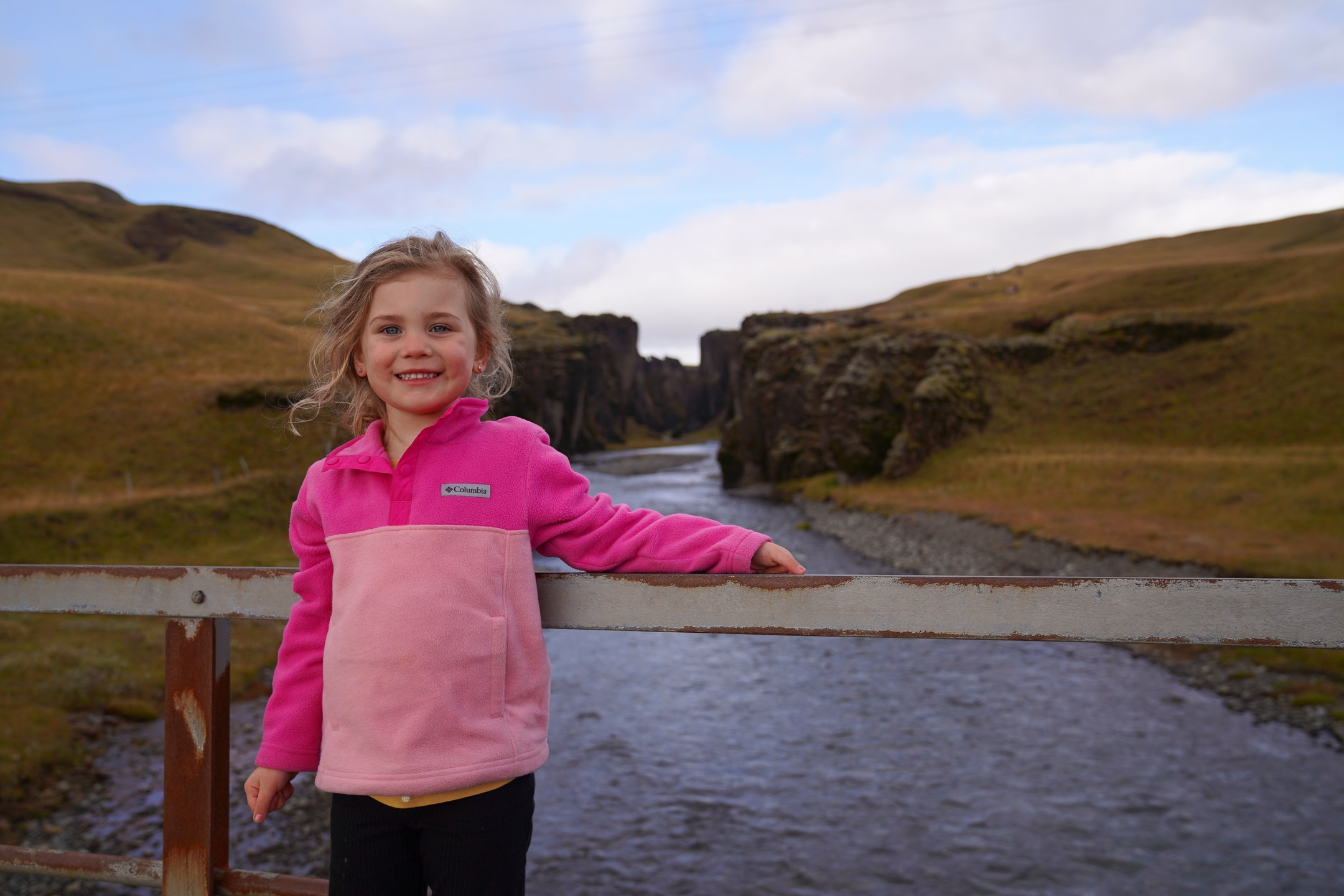
The month of September was our preferred time to visit, despite facing some rain and wind. The quieter sites and flexible conditions made it absolutely worth it. Driving was easy, the days were warm enough for comfortable hikes with the kids, and prices were a bit lower. We were also able to see the Northern Lights on a few occasions.


Popular Fall Activities
Fall is well-suited for slower, experience-focused travel:
- Northern Lights tours and evening viewing on clear nights.
- Hot springs and geothermal pools are especially comforting in cooler weather.
- Hiking in early fall, before snow arrives at higher elevations.
- Photography, with dramatic skies, fall colors, and changing light.
As conditions shift later in the season, flexibility becomes increasingly important.
What Families Should Pack (Any Season)
No matter the season, packing smart makes a huge difference in how comfortable your trip to Iceland will be. Weather can change quickly, and wind and rain are common year-round, so being prepared is key.

Don’t skip these essentials:
- Waterproof jackets and pants to stay dry in rain, wind, and waterfall mist.
- Layered clothing (base, mid, and outer layers) for temperature changes.
- Windproof outerwear, even in summer.
- Comfortable hiking shoes with good traction for uneven terrain.
- Reusable water bottles — Iceland’s tap water is incredibly clean and safe.
For a season-by-season breakdown and kid-specific recommendations, check out our full Iceland packing list.
Safety Tips for Families Visiting Iceland
Iceland is a very safe country, but its natural environment is powerful and unpredictable. Most safety issues come from weather, wind, roads, and nature—not crime. Keep these essential tips in mind, especially when traveling with children.
1. Check Weather and Road Conditions Daily
Always check official weather forecasts and road conditions before heading out each day, and again if conditions change. Never attempt to drive around road closures or blocked routes—if a road is marked unsafe, there is a reason.
2. Never Ignore Wind Warnings
Wind is one of Iceland’s biggest hazards. Strong gusts can make driving dangerous, especially for campervans, and can knock people off balance at viewpoints and parking areas. Adjust plans or stay put when wind warnings are issued.
3. Open Car Doors Carefully
Sudden gusts can rip car doors off their hinges. Hold doors firmly, park facing into the wind when possible, and have children wait until an adult opens the door.
4. Avoid Driving in Storms
Storms can bring poor visibility, icy roads, blowing sand, or sudden closures. If severe weather is forecasted, the safest choice is often to delay travel. Flexibility is critical in Iceland.
5. Stay on Marked Trails and Paths
Never walk off marked trails. Iceland’s moss and terrain are extremely fragile and can take decades to recover. In some areas, leaving paths can also be dangerous due to unstable ground or geothermal activity.

6. Follow F-Road Rules Carefully
Never drive on F-roads unless:
- The road is officially open and safe.
- Your rental vehicle is approved for F-road travel.
Not all vehicles (including some SUVs) are allowed on F-roads. Driving them without approval can void insurance and lead to serious safety risks.
7. Ensure Reliable Cell Service & Navigation
Always have working cell service. We recommend an eSIM with unlimited data so you can use navigation, check the weather, and access emergency updates.
Because service can be spotty in remote areas, consider:
- A portable handheld GPS.
- Or adding a navigation system from your rental agency if exploring off main routes.
8. Be Extremely Cautious at Beaches
Many Icelandic beaches are dangerous due to sneaker waves—sudden, powerful waves that can sweep people into the ocean.
Always:
- Check conditions before visiting places like Reynisfjara Black Sand Beach.
- Follow posted warnings and signage.
- Keep children well back from the water.
- Never turn your back on the ocean.

9. Follow All Volcanic Safety Warnings
If a volcanic eruption occurs:
- Follow all government and authority-issued warnings.
- Maintain a safe distance and never hike close to an eruption.
- Pay attention to evacuation notices and approved routes.
Volcanic areas are dangerous due to toxic gases, unstable ground, and sudden changes in activity.

10. Always Have Comprehensive Travel Insurance
Travel insurance is essential in Iceland, especially if participating in adventure activities like glacier walks, ice caves, or helicopter tours.
Make sure your policy includes:
- Coverage for planned activities. Adventure activities like glacier walks and ice caves may not be covered under many plans so it’s important to find a plan with coverage for these types of activities.
- Emergency evacuation and repatriation (very important in remote areas).
For our trips, we always use Squaremouth. It allows us to compare multiple plans side by side, filter by the exact coverage we need, and find affordable options with strong protection.
So… When Is the Best Time to Visit Iceland for Families?
There’s no single “perfect” season—but there is a best season for your family’s travel style.
- Best for ease & flexibility: Summer.
- Best balance of crowds & experiences: September.
- Best for Northern Lights: Winter or early fall.
- Best for budget-conscious families: Shoulder seasons (spring & fall).

Iceland is an incredible destination for families year-round, but understanding the seasons is key to having a safe, enjoyable, and memorable trip. From winter’s Northern Lights to summer’s endless daylight, each season offers something unique—along with its own challenges.
By packing properly, staying flexible, and respecting Iceland’s powerful weather, families can experience one of the most extraordinary countries on Earth. Whether you visit in the heart of winter or during a quieter shoulder season like September, Iceland is sure to leave a lasting impression on travelers of all ages.
Check out our video guides:


Leave a Reply