
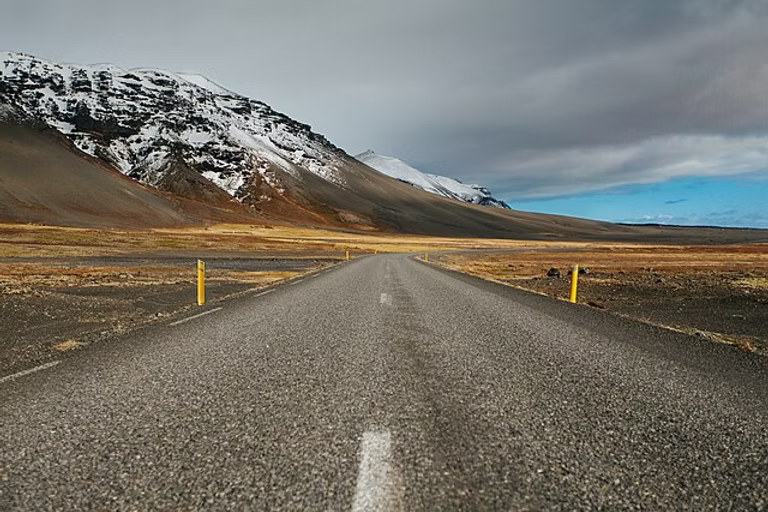
Renting a car in Iceland is one of the best ways to experience the country’s dramatic landscapes, from powerful waterfalls and black sand beaches to remote fjords and volcanic scenery. Whether you’re planning a short road trip from Reykjavík or a full Ring Road adventure, having your own vehicle gives you the freedom to explore Iceland at your own pace.
This Iceland rental car guide covers everything you need to know before hitting the road, including how to choose the right rental, driving conditions, insurance options, costs, and essential tips for driving in Iceland safely. By the end, you’ll be fully prepared to plan a smooth, stress-free Iceland road trip.
Table of contents
- Is It Easy to Drive in Iceland?
- Road Types in Iceland: What to Expect
- Driving Rules and Regulations in Iceland
- Tolls and Fees When Driving in Iceland
- Parking in Iceland: How Payments Work
- Best Car Rental Companies in Iceland
- Car Rental Insurance in Iceland: Why It Matters
- Helpful Tips for Renting a Car & Driving in Iceland
Read Our Full 10-Day Itinerary!
Bookmark these reads for later:
- How to Plan a Trip to Iceland: A Complete First-Timer’s Guide
- Iceland Packing List for Families: What to Pack for All Seasons
- Travel Tips for Families Visiting Iceland: Everything You Need to Know
- Top Things to Do in Reykjavik: Complete Guide to Iceland’s Capital
- Where to Stay in Reykjavik: Best Areas + Family-Friendly Hotels
- Best Things to Do in Iceland for Kids: Ultimate Guide to Family Adventures
- 50 Incredible Things to Do in Iceland: Must-See Places & Experiences
- How to Save Money in Iceland: Budget Travel Tips That Actually Work
- Best Places to Eat in Reykjavik: A Quick Food Guide to Must-Try Restaurants
- 8 Iceland Hidden Gems You Need to Experience for Yourself
- Best Time to Visit Iceland for Families: Weather, Seasons & Safety Tips
- 10 Fun Facts About Iceland That Surprise Most Travelers
Shop Our Kids Activity Workbooks – Available As Instant PDF Downloads!

This blog contains affiliate links, including credit card referral links. Please review the terms and conditions of any credit card before applying. Each product I mention is available on Amazon, and as an Amazon Associate, I earn a commission from qualifying purchases at no additional cost to you. I only recommend products and services I believe are valuable, and any opinions shared are my own. Your support helps sustain our blog. Thank you!
Is It Easy to Drive in Iceland?
Yes! (If you’re prepared and cautious)

Driving in Iceland is not just a way to get from place to place—it’s an essential part of the experience. For most travelers, especially those used to driving in Europe or North America, driving in Iceland is relatively easy and straightforward. Roads are generally well-maintained, signage is clear, and navigating the country is simple, particularly along the Ring Road (Route 1), which circles the island and connects many of Iceland’s major attractions.
That said, ease of driving in Iceland depends heavily on the weather, season, and location. Iceland’s weather is famously unpredictable, and conditions can change quickly.
In winter months like January, average temperatures hover around -1°C (30°F), but sudden snowstorms, high winds, or icy roads can lead to difficult driving conditions and temporary road closures. Even in summer, fog and strong winds can impact visibility, especially in coastal and mountainous areas.
Before driving each day, it’s essential to check real-time road and weather conditions. Official resources like SafeTravel.is and the Icelandic Road and Coastal Administration (road.is) provide up-to-date information on road closures, weather warnings, and driving advisories. These tools are invaluable and should be checked regularly, as conditions can change within hours.
Navigation is generally easy, but preparation is key. Using a GPS or a reliable mapping app is highly recommended, especially when driving outside Reykjavík. While cell service is good along main roads and populated areas, it can be unreliable in remote regions such as the Highlands or Westfjords. Downloading offline maps ahead of time ensures you won’t get lost if you lose signal.
Overall, driving in Iceland is manageable for most visitors who plan ahead, stay informed about conditions, and drive cautiously. With the right preparation, the roads become part of the adventure rather than an obstacle.
Road Types in Iceland: What to Expect
Iceland’s main thoroughfare, the Ring Road (Route 1), stretches approximately 1,332 kilometers (827 miles) and circles the country, connecting most major towns and key attractions. For travelers looking to explore Iceland independently, the Ring Road is the backbone of nearly every road trip, providing relatively easy access to waterfalls, glaciers, volcanoes, and coastal scenery.
To road trip the entire Ring Road (something many travelers do), we recommend planning at least a 2-week trip. Note that this route may be more difficult (particularly in the north) during Winter.
Popular Routes Along the Ring Road
1. Golden Circle
The Golden Circle is a roughly 300-kilometer (186-mile) loop from Reykjavík that features some of Iceland’s most famous natural wonders:
- Þingvellir National Park – A UNESCO World Heritage Site and site of Iceland’s first parliament. See waterfalls, hike trails, learn about history, and snorkel between tectonic plates.
- Geysir Geothermal Area – Home to the erupting Strokkur geyser, which shoots boiling water up to 30 meters (98 feet) every few minutes. Free to enter – stay to watch multiple eruptions as each one is different (some more powerful than others).
- Gullfoss Waterfall – One of Iceland’s most powerful waterfalls, dropping 32 meters (105 feet) in two stages. Entry is free, and there’s an upper and lower observation area.
- Other Stops on Route – The vibrant Kerið Crater, the geothermal tomato farm Friðheimar, relaxing natural hot springs at the Secret Lagoon, Laugarvatn Fontana baths, the stunning Brúarfoss and Faxi waterfalls, and the historic Skálholt Cathedral.

2. South Coast
The South Coast drive is a scenic route known for dramatic waterfalls and black sand beaches:
- Seljalandsfoss – Famous for the walking path behind the waterfall.
- Skógafoss – Standing at 60 meters (197 feet) tall, its mist often produces vivid rainbows on sunny days.
- Kvernufoss Waterfall – A hidden gem near Skógafoss; you can walk behind the cascade for a unique perspective.
- Reynisfjara – A striking black sand beach with unique basalt columns near the village of Vík.
- Dyrhólaey – A dramatic promontory with panoramic coastal views and nesting puffins in summer.
- Sólheimajökull Glacier – A glacier tongue perfect for short hikes and guided glacier walks.
- Vík Village – A charming coastal town near Reynisfjara beach, ideal for a rest stop or lunch.

3. Snæfellsnes Peninsula
Often called “Iceland in Miniature,” this peninsula showcases a variety of landscapes in a smaller area:
- Snæfellsjökull Volcano – A glacier-capped volcano featured in Jules Verne’s Journey to the Center of the Earth.
- Charming fishing villages, lava fields, and rugged coastlines make this a quieter alternative to the Ring Road, yet equally stunning.
Interior Roads and F-Roads
While the Ring Road and most primary roads are accessible to standard vehicles, Iceland’s interior highland roads, known as F-roads, are much more challenging. These routes often require a 4×4 vehicle due to rough terrain, river crossings, and steep gravel tracks. F-roads are only open during the summer months (typically June to August), so travelers visiting outside this window will need to stick to the main roads. Always confirm with your rental company whether your vehicle is allowed on F-roads, as insurance may not cover damage from off-road driving.
This is where planning is key. Research your intended route to know which roads you’ll need access to. Then plan on the right time of year, be sure to check road conditions and road closure status, and get the OK from your rental agency.
Practical Tips for Road Selection
- Consider combining Ring Road drives with shorter loops, like the Golden Circle or Snæfellsnes, to see more in less time.
- Plan routes according to your vehicle type, season, and travel group.
- Allow extra time for weather delays, particularly on longer stretches.
- Use online resources like road.is to check road conditions in real time.
Looking for a full list of tried and tested travel essentials?

Driving Rules and Regulations in Iceland
Driving in Iceland is generally straightforward, but the country has specific rules and regulations designed to keep both drivers and the environment safe. Understanding these rules is essential, especially for first-time visitors and families traveling with children.
Seatbelts
- Mandatory for all passengers, both in the front and rear seats.
- Failing to wear a seatbelt can result in a fine and may also impact insurance coverage in case of an accident.
Car Seats and Child Safety
- Children under 150 cm (approximately 4’11”) must use an approved car seat or booster seat.
- Seats must meet European safety standards (ECE R44/04 or R129). US car seats are not automatically accepted, although that’s what we used and had no issues.
- Some car rental agencies provide age- or height-appropriate car seats, but it’s best to reserve them in advance, and this usually isn’t free.
Speed Limits
- Urban areas/towns: 50 km/h (31 mph)
- Gravel roads / rural areas: 80–90 km/h (50–56 mph)
- Paved highways / Ring Road: 90 km/h (56 mph)
- School zones: Typically reduced speed limits—watch for local signage.
- Speeding fines can be steep, and automatic speed cameras are common, so staying within limits is crucial.
Alcohol and Driving
- Iceland has strict laws against drinking and driving.
- Legal blood alcohol limit: 0.02%, effectively zero tolerance.
- Penalties for driving under the influence include hefty fines, license suspension, and possible jail time.
Mobile Phones
- Using a mobile phone while driving is prohibited unless it’s hands-free.
- Violating this rule can result in fines and, again, may affect insurance coverage in case of an accident.
Off-Road Driving
- Driving outside marked roads or tracks is strictly forbidden.
- Iceland’s fragile moss and flora can take decades to recover from vehicle damage, so the country has enacted specific laws to protect them.
- Fines for off-road driving can exceed $1,000 USD, and insurance will not cover damages caused off-road.

Road Conditions and Gravel Roads
- Many secondary roads are gravel, especially in rural areas. Drive carefully to avoid skidding or damaging your rental car.
- Potholes and uneven surfaces are common on minor roads.
- All-wheel drive (4×4) vehicles are recommended for F-roads or the highlands.
One-Lane Bridges and Narrow Roads
- Iceland has many one-lane bridges, particularly outside urban areas.
- The general rule: cars already on the bridge have the right of way; slow down and yield when approaching.
- Narrow roads require caution and slower speeds, especially in areas with tourists and large buses.
Headlights and Visibility
- Headlights must be on at all times, even during daylight hours.
- Fog, sudden rain, and snowstorms can reduce visibility quickly—always keep headlights on and adjust speed.
Roundabouts
- Vehicles inside the roundabout have the right of way.
- Use signals when exiting the roundabout to indicate your direction.
Winter Driving Rules (Seasonal)
- Winter conditions often require special tires (studded or winter-rated).
- Black ice is common—drive slowly and allow extra stopping distance.
- Check road.is or SafeTravel.is for road conditions and closures before heading out.
Emergency Equipment
- Iceland recommends carrying a reflective vest, warning triangle, and first-aid kit in the car, especially if traveling outside cities.
- Some rental companies provide these automatically, but it’s best to confirm before taking the car.
Tips for Families
- Plan frequent stops on long drives—children will need breaks on longer road trips like the Ring Road.
- Keep snacks, water, and warm clothing in the car and fill up with gas when you can, as gas stations can be far apart in remote areas.
- Make sure car seats are installed properly and that children are always buckled in before moving.
- Always hold the car doors when opening and park into the wind to avoid doors being damaged or blown off (yes, the wind can be that strong!).

Fines and Penalties
- Traffic fines in Iceland can be high and are enforced strictly.
- Common fines include: speeding, not wearing seatbelts, using a phone, and off-road driving.
- Always obey local signs and road rules to avoid fines and potential insurance issues.
Tolls and Fees When Driving in Iceland
Iceland is known for its wide-open landscapes and mostly toll-free roads. In fact, there is only one toll road in the entire country: the Vaðlaheiðargöng tunnel, which connects the east bank of Eyjafjörður fjord to Akureyri in northern Iceland.
This tunnel provides a faster, more direct route compared to the older coastal road, saving time and offering smoother driving conditions—especially useful in winter when coastal roads can be icy.
Toll Fees by Vehicle Type
- Passenger cars under 3.5 tons: 1,850 ISK per trip (one-way)
- Vehicles between 3.5 to 7.5 tons: 2,800 ISK per trip (one-way)
- Vehicles over 7.5 tons: 5,900 ISK per trip (one-way)
1 ISK ≈ 0.0073 USD (as of December 2025)
Note: Exchange rates fluctuate, so check your bank or payment provider for the exact conversion at the time of travel.
How to Pay
You must pay the toll within 24 hours of passing through the tunnel. Payment options include:
- Online via Veggjald.is – Pay with a valid credit card immediately after your trip.
- Official mobile app – Available for iOS and Android, allows quick payment post-trip.
- Pre-registration – Input your rental car’s license plate on Veggjald.is up to 24 hours before your journey and pre-pay for a seamless drive.
Tips for Travelers
- Check with your rental company: Some rental agencies may offer toll pre-payment services.
- Keep a record of payment: This can prevent misunderstandings with rental companies or authorities.
- Timing matters: Failing to pay within 24 hours may result in fines or extra fees.
- Consider alternatives: If you prefer not to pay, you can take the scenic coastal route instead, though it takes longer.

Quick Note
Other than the Vaðlaheiðargöng tunnel, all other main roads in Iceland are free. There are no tolls on bridges, highways, or rural roads, making driving in Iceland very budget-friendly compared to many other countries.
Parking in Iceland: How Payments Work
Parking is an important consideration when driving in Iceland, especially in Reykjavík, tourist hotspots, and popular attractions along the Ring Road and South Coast. Understanding local rules and paying attention to signs can save you from hefty fines.
Quick Parking Info In Iceland
| Urban Areas | 200–1,500 ISK/hr ($1.50–$12) |
| South Coast Tourist Sites | 1,000–1,300 ISK/day (~$7.50–$10) |
| Apps Used | Parka, EasyPark |
| Fines | 10,000 ISK (~$75) if unpaid |
Parking Fees
- Reykjavík and urban areas: 200–1,500 ISK per hour (~$1.50–$12 USD).
- Tourist sites on the South Coast: 1,000–1,300 ISK per day (not hourly; valid until midnight).
- Failing to pay can result in fines exceeding 10,000 ISK (~$75 USD).
How to Pay
Parking is usually managed through:
- Apps – Popular apps include EasyPark and Parka, which allow you to pay directly from your phone.
- Pay stations/machines – Found near many urban areas and attractions; instructions are displayed on-site.
Pro Tip: Many South Coast tourist sites, including waterfalls and landmarks, exclusively use the Parka app. Download and set up the app before your trip to avoid complications.
Parking Rules
- Always park in designated areas; off-road or unauthorized parking is illegal and can result in fines.
- Read parking signs carefully, as rules can vary by street or lot. Some zones require payment only during certain hours.
- If traveling with a rental car, check whether your rental agency provides guidance on local parking rules.

Family-Friendly Tips
- When traveling with children, look for parking lots with restroom access and safe pedestrian paths, especially near busy attractions.
- Plan extra time for parking in popular areas, as lots can fill up quickly during peak tourist season.
Best Car Rental Companies in Iceland
Recommended Rental Companies
- Known for excellent customer service and a wide selection of vehicles, including regular cars and 4x4s.
- Zero Car is owned by Blue Car Rental, but booking directly with Zero Car can sometimes yield better rates.
- Most rentals include full insurance, and discounts may be available through special codes or travel partners.
- Great choice for travelers who want peace of mind with insurance coverage and flexible options.
- Conveniently located at Keflavík Airport, making pickups and drop-offs easy.
- Offers a variety of vehicles and flexible rental plans, suitable for travelers looking for convenience and variety.
- Known for reliability and 24/7 support, especially valuable in Iceland’s remote areas.
- Vehicles are well-equipped for Iceland’s unique terrain, from gravel roads to light snow conditions.
- Offers affordable rates, making it a solid option for budget-conscious travelers who still want dependable service.
4. Rent Nordic
- Perfect for travelers seeking a camper van experience, combining transportation and accommodation.
- Note: wild camping is illegal in Iceland, so plan to stay at designated campsites.
- Ideal for families or adventurers who want flexibility and a mobile base for exploring Iceland.
Tips for Booking a Rental Car
- Read customer reviews to verify service quality and reliability.
- Check for hidden costs, such as additional driver fees, mileage limits, or GPS rental.
- Confirm insurance coverage and what is included (collision, gravel protection, theft, etc.).
- If planning to drive F-roads or highland routes, ensure your rental company allows it and that you book an appropriate 4×4 vehicle. Standard cars are often prohibited on these roads.
- Consider family needs, such as child seats, extra luggage space, and ease of driving on long trips.
Quick Pro Tip
Booking early, especially in summer or holiday seasons, ensures you get the vehicle you want at the best rate. Also, check if rental companies offer discount codes through travel partners or accommodation platforms—they can save you a significant amount.
Car Rental Insurance in Iceland: Why It Matters
Iceland’s unique landscapes and weather conditions make car insurance a crucial part of your rental planning. Many rental companies offer insurance packages designed specifically for the country’s distinctive driving challenges. Understanding your options can save you time, money, and stress while exploring Iceland.
Key Insurance Options
1. Collision Damage Waiver (CDW)
- Protects you from costs if your rental car is damaged in an accident.
- While you can drive carefully, accidents caused by other drivers or unexpected road conditions can happen.
- CDW is often included in standard rental agreements but check whether it includes a deductible or excess.
2. Gravel Protection (GP)
- Many rural roads in Iceland are gravel or unpaved, which increases the risk of stone chips and windshield damage.
- Gravel Protection coverage helps avoid costly repairs, which can otherwise be several hundred dollars for a small chip or scratch.
- Highly recommended if you plan to travel outside the Ring Road or on secondary roads.
3. Sand and Ash Protection (SAAP)
- Iceland is a volcanic country, and ash or sand can scratch car paint or damage mechanical parts.
- This coverage is particularly important during periods of volcanic activity or when traveling near glaciers and active volcanoes.
- Even without eruptions, fine volcanic dust is common across the island.
4. Theft Protection (TP)
- While car theft is rare in Iceland, theft protection ensures that your rental is covered in unlikely events.
- Recommended for peace of mind, especially when parking overnight in urban areas or near tourist hotspots.
5. Wind Damage Awareness
- High winds are a serious hazard in Iceland, and rental companies often remind drivers to open doors carefully.
- Damage caused by carelessness in strong winds is typically not covered by insurance.
- Practical tip: park with the wind at your back and always brace doors when opening.

Family-Friendly Insurance Considerations
- Check if insurance covers child seats or interior damage, as high winds or sudden stops could cause accidents inside the car.
Additional Tips
- Always read your policy carefully and ask the rental company to clarify what is and isn’t covered.
- Some credit cards offer secondary rental coverage, but verify whether it includes gravel, ash, or wind damage, as these are often excluded.
- Take photos of your vehicle before pickup and after return to avoid disputes. When picking up a rental, we always take a video on our cell phone of all sides of the car and any existing damage.
Quick Recap
In Iceland, insurance isn’t optional—it’s essential. Ensure your coverage matches your travel plans, including gravel roads, ash exposure, and weather-related risks. Careful planning and attention to detail will keep your Iceland road trip smooth and worry-free.
Helpful Tips for Renting a Car & Driving in Iceland
Driving in Iceland can be an incredible experience, but careful planning makes the trip smoother and safer. Here are essential tips and practical advice for getting the most out of your Iceland road trip.
1. Book Your Rental in Advance
- High season (June–August) sees heavy demand. Booking early ensures availability and better rates.
- Many companies offer free cancellation, so you can adjust your dates if plans change.
- Consider comparing multiple providers to find the best vehicle for your needs, whether it’s a compact car, 4×4, or camper van.
2. Understand Fuel Policies
- Check your rental company’s fuel rules—some require a full tank on return, others offer a convenient refill-for-fee option.
- Document fuel levels at pickup with a time-stamped photo of the gauge to avoid disputes. We once picked up a rental car that was only half full, and the company tried to charge us a fee upon return. Fortunately, we had taken a time- and date-stamped photo of the gas gauge at pickup, which resolved the issue.
- If the tank isn’t full as indicated in the contract, inform the rental company; most will note it and adjust return expectations accordingly.
3. Know Local Driving Laws
- Alcohol limit: 0.0%—Iceland has strict laws against drinking and driving.
- Observe all speed limits, yield rules, and use seat belts at all times.
- Mobile phone use while driving is prohibited unless hands-free.
4. Keep a Safe Distance
- The weather can change suddenly, and road conditions may vary between asphalt, gravel, and ice.
- Maintain extra space between vehicles.
- Watch for animals on the road—Iceland has more sheep than people, and cows or horses may also wander onto roads.

5. Prepare for Emergencies
- Ensure your rental includes a spare tire, first-aid kit, and warning triangle.
- Carry extra layers, water, and snacks, especially when driving in remote areas or on long stretches between towns.
- Always check road and weather updates on road.is or SafeTravel.is before heading out.
6. Practice Local Driving Etiquette
- Respect speed limits, don’t drive off-road, and avoid stepping on Icelandic flora like moss and lichen—damaging them is illegal and can result in fines.
- Take caution near cliffs, winding roads, and areas with limited visibility.
- Yield to other drivers on one-lane bridges and use proper signaling in roundabouts.
7. Paying at the Pump
- Most gas stations in Iceland are self-service.
- Fuel costs are approximately 300 ISK per liter (~$9 USD per gallon).
- Credit cards are the preferred method, but some pumps require a PIN; debit cards may work, but can incur additional fees. We recommend calling your credit card company ahead of time to set up a PIN for gas fillups, in case you run into this issue.
- Carry a backup card or a small amount of cash in case your primary card doesn’t work. We always carry at least one VISA and one MasterCard, in case one works over the other.
8. Family-Friendly Tips
- Plan frequent stops for children, especially on long drives along the Ring Road or South Coast.
- Ensure child seats are installed properly and are compatible with your rental vehicle.
Renting a car in Iceland opens the door to unforgettable road trips and complete travel freedom. From creating your own itinerary to reaching remote landscapes and iconic sights, driving in Iceland allows you to experience the country on your own terms.
With this renting a car in Iceland guide, you now have the essential information on driving conditions, popular routes, rental options, and car rental insurance to plan your trip with confidence. By following these tips and understanding the rules of the road, you can enjoy a safe, smooth, and memorable journey across Iceland.
Now it’s time to start planning your Iceland road trip—where every drive reveals dramatic scenery, hidden gems, and truly extraordinary experiences.
Check out our video guides:



Leave a Reply