
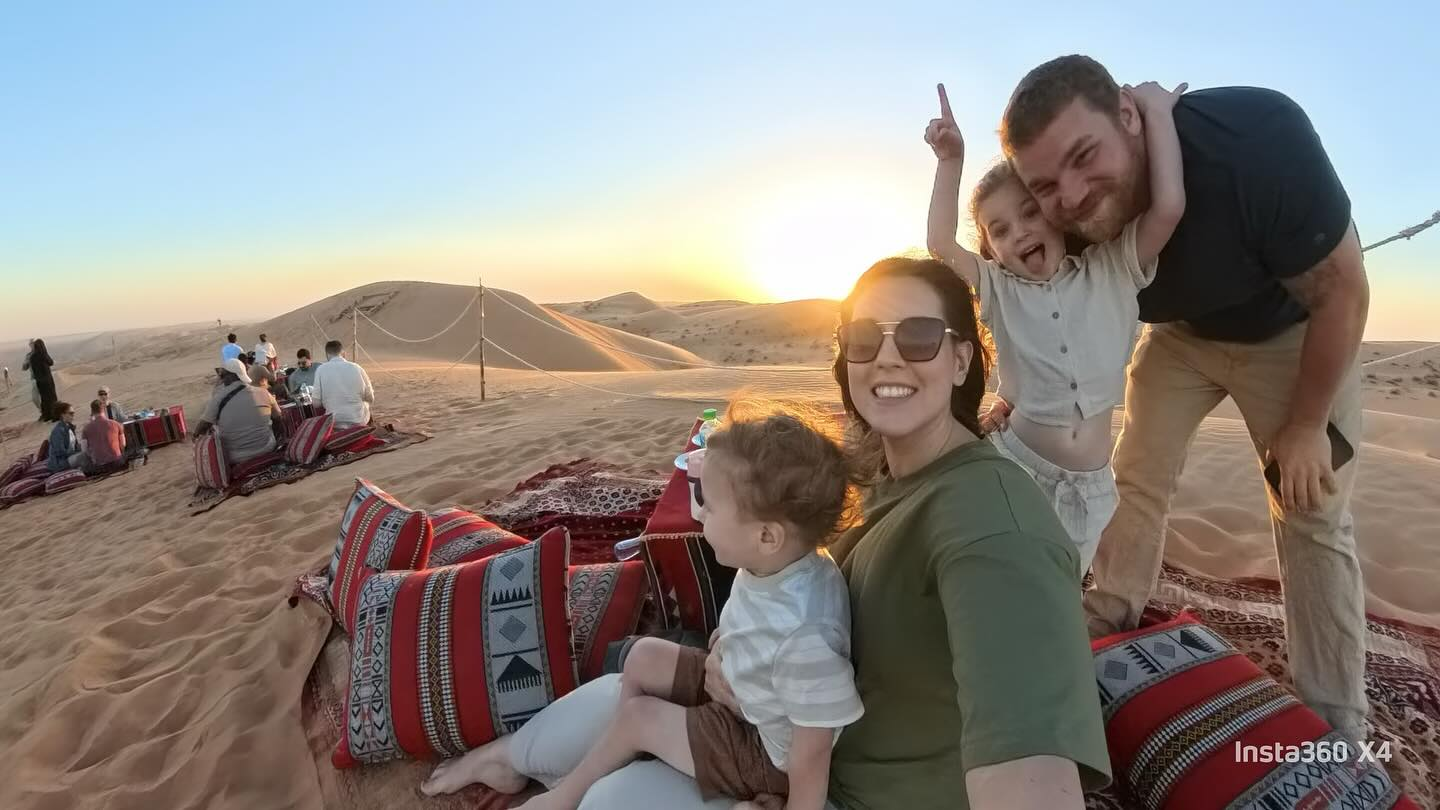
Planning your first trip to Oman can feel overwhelming. From navigating deserts and wadis to understanding local customs, there’s a lot to know before you go. Whether you’re visiting as a family or traveling solo, having the right information can make your trip smoother, safer, and more enjoyable. In this guide, we’re sharing essential Oman travel tips, including advice on accommodation, transportation, food, activities, and cultural etiquette. Plus, we’ll highlight key tips for first-time visitors and families, so you can confidently plan your adventure and make the most of your time in this stunning country.
Table of contents
- Explore Our Complete Oman Travel Guide
- Before You Go: Planning Your Trip to Oman
- Transportation in Oman
- Accommodation Tips
- Food and Dining Tips
- Activities & Attractions for First-Time Visitors
- Cultural Tips & Etiquette
- Safety & Health Tips
- Money-Saving & Budget Tips
- Final Thoughts: Making the Most of Your First Trip to Oman
Bookmark these reads for later:
- 7-Day Oman Family Itinerary: Explore the Best of Oman!
- Why Visit Oman With Kids: The Ultimate Family Adventure
- Self-Drive Tips in Oman: Travel the Stunning Roads | Complete Guide
- Oman Packing List for Families: What to Pack for Every Season
- UNESCO World Heritage Sites in Oman: The 5 Must-See Sites!
- Oman’s Most Fascinating Forts and Castles You Need to Visit!
- Best Things to Do in Muscat, Oman: Complete Travel Guide
- Best Places to Visit in Northern Oman: 10 Breathtaking Highlights
- Things to Do in Oman with Kids: Ultimate Family Travel Experiences
- Jebel Shams Balcony Walk Hike: Oman’s Best Trail (Full Guide)
- The Most Stunning Wadis in Oman – Go Beyond Wadi Shab
- Family-Friendly Desert Camp in Oman: Thousand Nights Camp Review
- Top Foods To Try in Oman: 10 Dishes You Can’t Miss!
Explore Our Complete Oman Travel Guide
Whether you’re mapping out your itinerary, packing your bags, planning family adventures, or hitting the road on your own schedule, you’ll find everything you need here to create a truly magical trip.
Keep the kids entertained and learning on your Oman adventure!
Our digital kids’ activity books are packed with screen-free fun—coloring pages, puzzles, and fascinating facts about Oman. Designed for every stage of your trip, they include educational pages to prep before you go, activities and games for airplane or car journeys, and interactive pages to document their adventure with bucket list checklists, favorite foods, and spots to draw their favorite memories.

This blog may contain affiliate links. If you make a purchase through any of these links, I may earn a small commission at no additional cost to you. I only recommend products and services I genuinely trust and think you’ll find valuable. Your support helps sustain this blog, thank you!
Before You Go: Planning Your Trip to Oman
Planning a trip to Oman, especially with kids, can feel overwhelming at first, but a little preparation goes a long way. From choosing the best time to visit Oman to understanding visa requirements, local customs, and what to pack, knowing what to expect before you go will help your trip run smoothly. This section covers the most important Oman travel tips for first-time visitors, including when to visit, how long to stay, money tips, visa rules, and essential items to pack so you can travel confidently and focus on enjoying your time in this incredible country.
Best Time to Visit Oman
The best time to visit Oman really depends on your family, travel style, and what you want to experience during your trip. Activities like hiking, beach time, desert adventures, and sightseeing are all affected by the season, as well as which part of the country you plan to explore.
For most travelers, October through April is considered the best time to visit Oman. During these months, temperatures are much more comfortable for outdoor activities, making it ideal for road trips, hiking, exploring wadis, and visiting cultural sites—especially when traveling with kids.
Northern Oman (Muscat, Nizwa, Jebel Akhdar, Wahiba Sands)
We visited Northern Oman in January, and it was an excellent time to go. Daytime temperatures were warm but not overwhelming, while mornings were perfect for hiking, spending time in nature, and swimming in wadis. Evenings, particularly in the desert and mountains, were noticeably cooler—and sometimes even chilly—so layers were essential.
The desert was very comfortable during the day, and at night it cooled down significantly, which made sleeping much more pleasant. Along the coast, the air was a bit chilly, but the sea temperature was still warm enough to swim. While January isn’t peak beach season, that actually worked in our favor—we often had entire beaches to ourselves, which was amazing for traveling as a family.

Southern Oman (Salalah)
Southern Oman, particularly Salalah, follows a different seasonal pattern due to the khareef (monsoon) season. From June to September, the area transforms into a lush, green landscape with waterfalls and cooler temperatures. This is the best time to visit Salalah if you’re interested in greenery, misty weather, and a completely different side of Oman. Outside of khareef season, Salalah is much hotter and drier, similar to the rest of the country.
If your focus is hiking, outdoor exploration, and road tripping, the winter months are ideal. If you’re planning a beach-heavy trip or want to experience the khareef season, your timing will look very different.
How Long to Stay in Oman
How long you should stay in Oman depends largely on your schedule, budget, and travel pace, which is an important factor when traveling with kids.
We spent 14 days in Oman, and for our family, it felt like the perfect amount of time. It allowed us to road trip through Northern Oman at a relaxed pace while also building in rest days and slower moments. We loved having full days to spend at a local beach or simply wander without a strict itinerary—something that’s especially valuable when traveling with young children. Our kids were 2 and 4 years old during this trip, and that slower rhythm made a huge difference.
That said, you could technically see many of the main highlights of Northern Oman in 7 days, including Muscat, Nizwa, wadis, the mountains, and the desert. However, for families, we strongly recommend at least 10 days. This allows for shorter driving days, flexibility, and downtime, making the trip far more enjoyable and less exhausting.
Visa Requirements for Oman
Visa requirements for Oman vary depending on nationality, so it’s important to check current rules and restrictions before traveling.
U.S. citizens can stay in Oman visa-free for up to 14 days. We did a 14-day trip, but flew out about six hours before the full 14 days were completed. If you plan to stay 14 days exactly or longer, you will need to apply for an eVisa in advance.
For U.S. travelers, the Oman eVisa can be applied for online, and costs vary depending on the length of stay (typically around 20 OMR for a short-term tourist visa). Processing is usually straightforward, but it’s best to apply ahead of time to avoid any issues.
- UK and EU passport holders also benefit from visa-free stays for short visits (up to 14 days).
- Australian passport holders typically need to apply for an eVisa before arrival.
Visa rules can change, so always double-check official government sources before your trip.
Currency & Money Tips
The local currency in Oman is the Omani Rial (OMR). We exchanged money through our local bank at home before our trip and paid only a very small exchange fee. Having some local currency on hand was extremely helpful.
While most hotels, restaurants, and larger shops accept credit cards, it’s a good idea to carry small bills for local vendors, tips, and certain attractions. One important example is Wadi Shab, one of Oman’s most popular sights. To reach the starting point of the hike, you need to take a small boat across the water, which costs 1 OMR per person round-trip, and cash is required.
Having small denominations of cash saved us multiple times, especially in more remote areas.

Essential Items to Pack for Oman
Packing thoughtfully for Oman will make your trip far more comfortable and respectful of local customs.
When it comes to swimwear, women should pack modest swimsuits. Bikinis are generally discouraged, and there are signs in many public spaces asking visitors to respect local dress codes. While we did see many tourists wearing bikinis—and it didn’t seem strictly enforced—it’s best to lead with respect. Women should generally cover their shoulders and knees in public, and men should avoid being shirtless outside of beaches or pools.
If you plan to visit mosques, women should bring an abaya and a scarf. Women are required to cover their ankles and wrists and cover their hair. If you don’t have one, you can usually rent an abaya and scarf at the mosque for a small fee.
Even if you’re visiting during winter, bring layers. Nights can be surprisingly chilly, especially in the mountains and desert. We were very glad to have sweaters and warm socks for the kids and ourselves.
If hiking is part of your itinerary, hiking shoes or shoes with good grip are highly recommended. Many mountain trails have loose rocks and uneven terrain. Having proper hiking boots made our Balcony Walk hike much easier and significantly safer.
A reusable insulated water bottle is another must. We always travel with the Coldest brand bottles, filling them at the start of the day. The bottles keep water cold all day, even in the heat (yes, for real!). Staying hydrated is essential, especially with all the outdoor activities Oman offers.
Looking for a full list of tried and tested travel essentials?

What Not to Pack for Oman
One important thing not to bring to Oman is a drone—unless you have an official permit. Flying a drone in Oman without the proper authorization is illegal, and drones may even be confiscated at the airport. While it’s possible to apply for a permit in advance, these are typically only granted to Omani citizens.
To avoid issues, it’s best to leave your drone at home and use alternatives instead. We relied on an Insta360 with a telescopic stick to capture cinematic shots without any problems.
Transportation in Oman
Getting around Oman looks very different than in many other countries, and how you choose to travel will shape your experience. While there are public transportation options available, Oman is best explored independently—especially if you want to visit mountains, beaches, wadis, and the desert at your own pace. In this section, we’ll cover flying into Oman, renting a car and self-driving tips, road safety, camping options, and what to expect if you plan to rely on public transportation or guided tours instead.

Flying into Oman
Most international travelers fly into Muscat International Airport (MCT), Oman’s main gateway and largest airport. It’s modern, clean, and very easy to navigate. Immigration was efficient, signage was clear, and everything felt calm and well-organized. If you’re renting a car, all major rental companies are located directly at the airport, making pick-up and drop-off simple.
For travelers heading to southern Oman, Salalah International Airport (SLL) is the second major airport in the country. It’s especially popular during the khareef season (June–September), when visitors come to experience Salalah’s lush landscapes and cooler weather.
There are also a few smaller regional airports throughout Oman, but Muscat and Salalah are the primary international entry points. Overall, arriving in Oman felt straightforward and stress-free, which was especially appreciated while traveling with young children.
Renting a Car & Self-Driving Tips
We highly recommend renting a car in Oman. For us, it was by far the best way to explore the country and make the most of our time. We love a good budget deal and were able to rent a regular sedan for about $200 per week, totaling $400 for our two-week trip, which felt incredibly reasonable given how much ground we covered.
You’ll often hear that you must rent a 4×4 in Oman, but that simply isn’t true for most travelers. We found the roads to be well-maintained, highways easy to drive, drivers generally respectful, and navigation straightforward. Parking was also easy to find, and we didn’t encounter any toll roads or paid parking.
Traveling with two young kids, car seats, and luggage, having our own car made everything easier and more comfortable.
Do You Really Need a 4×4 in Oman?
The only places where a 4×4 is truly required are:
- Driving directly into the desert
- Reaching some remote wadis or mountain peaks
That said, even in the mountains, a 4×4 isn’t always essential. The most popular mountain range to explore is Jebel Shams, home to the famous Balcony Walk hike—a must-do in Oman. Many people told us a 4×4 was required to reach the trailhead, but our rental agency assured us we’d be fine in a sedan, and that turned out to be true.
Yes, the road is gravelly, rocky, and slightly steep in parts, but by driving slowly and cautiously, it was completely doable. A 4×4 would have made the drive faster and a bit easier, but since 4×4 rentals were nearly double the price, it simply wasn’t in our budget. We managed just fine without one.

Desert Access & Transport
You cannot drive into the desert without a 4×4—and honestly, you shouldn’t try to do this alone anyway. Having an escort is recommended and often required, and this typically comes with a fee.
For our desert stay, the camp arranged transport in a 4×4, and we left our rental car in a safe location to retrieve after our visit. This worked perfectly, and we had no issues. We wouldn’t recommend attempting to reach a desert camp on your own, even with a 4×4. We frequently lost cell service on the way, and depending on the camp, the drive can be long (ours was about 50 minutes). There are no road signs in the desert, and getting lost or stuck is a real risk.
Driving Rules, Road Safety & Practical Tips
Driving in Oman felt very safe and relaxed overall, but there are a few things to keep in mind:
- Download offline maps before you go—cell service can be spotty in remote areas. – we actually had service issues in pretty much the whole country (haha!).
- Watch out for camels, especially along highways and rural roads (we saw dozens, even near major roads).
- Double-check your rental car insurance coverage, including what is and isn’t covered.
- Some rental agencies require the car to be returned very clean – meaning you’ll have to stop at a full-service spot.
Read more about driving in Oman.
Camping in Oman
One unique thing about Oman is that wild camping is legal. This means you can set up camp on beaches, in the mountains, or in the desert. It’s extremely popular, and we saw people camping along the coast with their cars parked right on the beach, as well as others parked at stunning viewpoints high in the mountains overlooking deep canyons.
Many companies rent out 4×4 vehicles with rooftop tents and full camping equipment, making it easy for travelers to experience this side of Oman. While it can be pricey, it’s an incredible option—especially for adventurous travelers. It’s something we’d absolutely consider doing once our kids are a bit older.
Public Transportation & Alternatives to Renting a Car
If you don’t want to rent a car, there are other ways to get around Oman, though they’re more limiting.
In Muscat, taxis and ride-hailing services are available and can work well for short distances. There are also buses within the city, but they’re not always the most convenient for sightseeing.
For travel outside Muscat—to places like Nizwa, Bimmah Sinkhole, Wadi Shab, Jebel Shams, or the desert—options become more limited. You can hire a private driver, join a guided tour, or book day trips through local tour companies. These options are convenient, but the cost can add up quickly, especially for families.
Overall, if your goal is flexibility, comfort, and seeing more of the country, renting a car is the best option. But if you prefer not to drive, guided tours and private transfers are viable alternatives.
Accommodation Tips
Accommodation in Oman looks a little different than in many popular travel destinations. While there are plenty of luxury resorts and high-end hotels—especially in Muscat and Salalah—budget and mid-range options can be more limited, particularly outside major cities. Knowing what to expect and how to search can help families find comfortable, affordable places to stay without overspending.
Overall, we found accommodations in Oman to be clean, safe, and welcoming, even when they were fairly basic. Hospitality is a big part of Omani culture, and everywhere we stayed, we were greeted warmly, often with coffee and dates, and offered help with anything we needed.
Family-Friendly Stays in Oman
When we travel as a family, we usually gravitate toward Airbnbs or local apartments booked through platforms like Booking.com. Having a kitchen to prepare some of our own meals and a bit more space than a standard hotel room makes a big difference, especially when traveling with young kids.
In Oman, however, we didn’t find many Airbnbs to choose from, and surprisingly, hotels on Booking.com were often cheaper than apartment-style stays. We ended up choosing budget-friendly hotels with free parking, which worked well for our road trip and rental car setup.
None of the places we stayed were anything particularly fancy (minus the 2 nights in the desert camp), but they were clean, safe, and comfortable—exactly what we needed after long days of exploring. For us, accommodation was simply a place to sleep, shower, and recharge before heading out again the next day.
Budget Booking Advice & What to Look For
If you’re traveling in Oman on a budget, flexibility and comparison shopping are key. Accommodation can be limited in some areas, especially near popular attractions or in more remote regions.
Here are a few tips that worked well for us:
- Check multiple booking platforms, including Booking.com, Airbnb, and Expedia.
- Don’t assume Airbnb will be cheaper—it often wasn’t in Oman.
- Look for hotels that include free parking if you’re renting a car.
- Book early when possible, especially during peak season (October–April).
- Be open to simple, no-frills accommodations and check reviews to ensure budget options are safe and clean.
We found that checking several sites rather than relying on just one helped us uncover better deals and more availability.
When booking accommodation in Oman, especially as a family, there are a few things worth prioritizing:
- Room size or family rooms for extra space.
- Air conditioning, which is essential year-round.
- Free parking if you’re self-driving.
- Location, particularly in cities where traffic can add time.
- Recent reviews, especially from families or road trippers.
Average Accommodation Costs in Oman
Accommodation prices in Oman vary by location, season, and availability, but these are realistic nightly price ranges for budget and mid-range, family-friendly stays:
Muscat
Muscat offers the widest range of accommodation options in the country.
- Budget hotels/guesthouses: 30–60 OMR per night
- Mid-range hotels or family rooms: 60–100 OMR per night
- Apartments or serviced apartments: 60–120 OMR per night
We found family rooms or small suites in Muscat often fell in the 70–90 OMR range during winter.
We paid around $90 USD per night for a basic room at a budget hotel (definitely not cheap).
Currency used: Omani Rial (OMR)
Conversion: 1 OMR ~ 2.60 USD
Nizwa & Interior Oman
Accommodation options are more limited, but prices can be slightly lower.
- Budget hotels/guesthouses: 25–50 OMR per night
- Mid-range stays: 45–80 OMR per night
Guesthouses in Nizwa often offer good value and a more local feel.
We chose to stay in the old town within walking distance to the main sites with a private parking lot – this cost about $130 USD per night.
Mountains (Jebel Akhdar & Jebel Shams)
Mountain regions have fewer accommodations, which drives prices up.
- Basic mountain hotels: 40–70 OMR per night
- Boutique lodges or nicer stays: 70–120+ OMR per night
Booking early is especially important here, as options sell out quickly.
We paid about $100 USD per night in a private villa.

Desert Camps
Desert camps are more of an experience than just a place to sleep.
- Basic camps (shared bathroom): 45–70 OMR per night
- Mid-range camps (private tent, meals included): 70–120+ OMR per night
Many camps include dinner, breakfast, and 4×4 transport, which adds value compared to standard hotels.
Our desert camp stay with half board cost about $300 USD per night.

Salalah
Prices fluctuate depending on the khareef season (June–September).
- Higher-end resorts: 90–150+ OMR per night
- Budget hotels: 30–55 OMR per night
- Mid-range hotels/resorts: 55–90 OMR per night.
Our Experience Staying in Oman
Everywhere we stayed in Oman, we were welcomed with genuine hospitality. Staff were friendly, helpful, and happy to offer assistance, whether it was directions, extra towels, or local tips. Even at budget hotels, the experience felt warm and personal, which added to our overall impression of the country.
If you’re traveling as a family and prioritizing value over luxury, Oman offers plenty of solid accommodation options—as long as you’re realistic about what you’re booking and do a bit of extra research. Don’t expect flashy design or lots of amenities—but do expect cleanliness, safety, and friendly service.
Food and Dining Tips
Food is an important part of travel, but eating in Oman may look a little different than what many families are used to, especially if you’re coming from a country with heavy tourist infrastructure. While Oman has a rich local cuisine and plenty of delicious dishes to try, restaurants and food options can be more limited in certain areas, particularly once you leave the major cities. That said, with a bit of flexibility and planning, eating in Oman as a family is absolutely doable.
Local Omani Dishes to Try
Omani cuisine is flavorful but not overly spicy, which makes it approachable for many travelers. Dishes are often centered around rice, meat, bread, and simple spices.
Some traditional foods you may come across include:
- Shuwa – slow-cooked marinated meat (usually lamb), traditionally prepared underground
- Majboos or Kabsa – spiced rice dishes served with chicken, lamb, or fish
- Omani bread (khubz) – thin, crispy flatbread often served with meals
- Dates and Omani coffee (kahwa) – offered almost everywhere as a sign of hospitality
We didn’t eat out at sit-down restaurants during our trip (mostly logistical reasons- they were few and far between on our route, and we were often ending our days pretty late), but when we ordered food delivery from local places late at night, we were able to try several traditional dishes. Everything we tried was flavorful, comforting, and reasonably priced.

Kid-Friendly Food Options in Oman
Traveling with a 2- and 4-year-old, food was one of our bigger challenges—surprisingly so, given how much our kids have traveled, they still prefer mac and cheese and chicken nuggets! Outside of Muscat, many areas we visited were focused on nature, hiking, and outdoor exploration, and there simply weren’t many restaurants or businesses nearby.
Most meals we had access to were:
- Rice-based dishes
- Grilled chicken or meat
- Flatbreads and simple sides
These worked reasonably well for our kids, but variety was limited. Because grocery stores were often small and had fewer options than we’re used to in the U.S., finding familiar foods our kids would reliably eat took some extra effort.
Budget-Friendly Meals & How We Ate in Oman
In terms of budget-friendly food, we mostly cooked our own meals. Having accommodation with a kitchen was incredibly helpful (we did stay in some hotels that were apartment style with kitchens), and this is something we’d strongly recommend for families—especially those traveling with young or picky eaters.
We also had one stay where meals were included in the price: our desert camp, which provided dinner and breakfast. This was a huge plus and made the desert portion of our trip much easier and more cost-effective.
Interestingly, we didn’t eat at sit-down restaurants at all during our entire 14-day trip, which is unusual for us. We spent most of our days hiking, swimming in wadis, and exploring remote areas where there simply wasn’t much in the way of restaurants or tourist infrastructure—and honestly, that was part of the charm. Oman feels refreshingly untouristy compared to many destinations.
On a few late nights, we ordered food delivery from local restaurants, which allowed us to sample local cuisine without going out. Prices were very reasonable—comparable to what we’d pay in the U.S.—and the food was consistently delicious.
Grocery Shopping in Oman: What Families Should Know
One thing that surprised us was how limited grocery shopping can be, especially outside of Muscat. We had trouble finding large supermarkets, and most markets we visited were small neighborhood shops with fairly limited selections.
If you’re used to big grocery stores with lots of options, this can take some adjusting. For families with picky eaters, it’s a good idea to:
- Stock up when you find a larger store
- Bring a few favorite snacks from home
- Keep expectations flexible
While it wasn’t always easy, we made it work—and it’s helpful to know this in advance so you can plan accordingly.
Activities & Attractions for First-Time Visitors
To truly experience Oman, you need to explore beyond the capital city. While Muscat is beautiful and worth visiting, Oman’s real magic lies in its landscapes and natural beauty, not its cities. From dramatic wadis and golden deserts to ancient forts and untouched beaches, this is a country made for exploring at your own pace.
If there’s one piece of advice we’d give families visiting Oman, it’s this: get out and explore. Rent a car, plan a road trip, and spend your days immersed in nature—you won’t regret it.
Wadis in Oman: A Must-Do Experience
If you plan to visit a wadi in Oman (and you absolutely should), plan to spend at least half a day there. Wadis are best enjoyed slowly, with plenty of time to explore, swim, and relax.
We recommend:
- Wearing your swimsuit under your clothes
- Bringing sturdy shoes for walking on rocks
- Packing a picnic lunch, snacks, and plenty of water
- Planning to swim and explore rather than rushing through
Wadis are incredibly fun for families and offer a unique mix of adventure and relaxation. They’re not just a quick stop, and this was something we realized after visiting our first one.

Desert Adventures & Visiting a Desert Camp
A desert camp stay is a must-do in Oman, especially for families. It’s one of the most magical experiences you can have in the country, even if you only stay for one night.
Desert camps typically offer:
- Stargazing under incredibly clear skies
- Camel rides
- Dune bashing
- Sand surfing
- Dinner on the dunes at sunset
- Campfires
- ATV rental and tours
It’s an unforgettable experience for both kids and adults, and one that adds a special sense of adventure to your trip.
While wild camping in the desert is legal, most travelers choose a desert camp for safety, convenience, and the full experience. Transport is usually arranged by the camp using a 4×4, which makes everything much easier.

Forts, Castles & Historical Sites
Oman has a rich and fascinating history, and visiting its many forts and castles is one of the best ways to understand it. We recommend visiting as many forts as you can throughout your trip.
From beautifully restored castles to impressive UNESCO-listed sites, Oman offers countless opportunities to learn about its past. Many forts are easy to access and can be combined with other stops like markets, wadis, or mountain drives, making them great additions to a family-friendly itinerary.

Beaches in Oman: Untouched & Uncrowded
Oman’s coastline is stunning and surprisingly undeveloped. Driving along the coast, you’ll see bright blue water and endless rocky beaches, many of which are completely empty.
You really can’t go wrong with which beach you choose, but some of our favorite moments came from stopping at beaches where no one else was around and having the entire place to ourselves.
If you enjoy shell hunting, Oman is incredible. We found some of the most beautiful shells and rocks we’ve ever seen anywhere in the world. Just be aware that you’re not allowed to take shells or rocks home, so enjoy them while you’re there and take plenty of photos instead.
Tours vs Self-Guided Experiences in Oman
For first-time visitors, we highly recommend booking a local guided tour in Muscat on your first day. Oman has a distinct and unique culture, and having a local guide is a great way to get acclimated, learn about customs, and gain deeper insight into the country’s history and way of life.

After that, we recommend going fully self-guided for the rest of your trip. Renting a car and driving yourself allows for complete flexibility and freedom, and you really don’t need guided tours for most sites in Oman. Roads are easy to navigate, attractions are well-marked, and exploring at your own pace works especially well for families.
Wild Camping & Outdoor Freedom in Oman
One unique aspect of Oman is that wild camping is legal. This means you can camp on beaches, in the mountains, or in the desert. Many travelers even rent 4×4 vehicles with rooftop tents and camping equipment for their trip.
This option can be more expensive, but it’s an incredible way to experience Oman’s landscapes. While we didn’t do this on this trip, it’s absolutely something we’d consider in the future, especially once our kids are older.
Family-Friendly Highlights in Oman
Oman is incredibly family-friendly when it comes to outdoor experiences. Highlights that worked especially well for us included:
- Swimming and exploring wadis
- Visiting forts with open spaces to wander
- Beach stops with no crowds
- A desert camp stay
The combination of nature, freedom, and slower-paced exploration makes Oman a wonderful destination for families who enjoy the outdoors.
Cultural Tips & Etiquette
Oman is a welcoming and friendly country, and visitors are generally treated with warmth and respect. That said, it’s important to remember that Oman is a conservative country with strong cultural traditions, and making an effort to respect local customs goes a long way. Dressing appropriately, being mindful of behavior in public, and understanding a few cultural norms will help ensure a smooth and positive experience.
Dress Code in Oman: What Tourists Should Wear
Dressing modestly in Oman is one of the most important ways to show respect for local culture. In public spaces, both men and women should avoid tight or revealing clothing.
General dress code guidelines:
- Cover your shoulders and knees in public
- Avoid tight, sheer, or revealing clothing
- Bikinis should not be worn in public areas—only at private hotel pools or secluded beaches
- Men should not be shirtless in public spaces
Children are generally exempt from strict dress code rules, but it’s still best to dress them appropriately, especially when visiting towns, markets, or cultural sites.
At beaches and wadis, swimwear is usually fine while swimming, but it’s respectful to cover up when walking to and from the water.
Respecting Local Customs in Oman
Omani culture places a strong emphasis on respect, hospitality, and politeness. You’ll often see local men wearing traditional clothing such as the dishdasha (a long white robe) and the kumma (traditional embroidered cap).
A few important customs to keep in mind:
- Always ask permission before photographing locals
- Be respectful around people who are praying
- Friday is a holy day in Oman, and many businesses and attractions may be closed or operate limited hours in the morning
- Accepting dates and Omani coffee (kahwa) is a sign of hospitality and politeness
- Avoid swearing, yelling, or arguing in public
- Eat and offer food with your right hand, as the left hand is traditionally considered impolite
These small gestures of respect are noticed and appreciated, and help foster positive interactions with locals.
Photography Dos & Don’ts in Oman
Oman is incredibly photogenic, but it’s important to be mindful of what and who you photograph.
Photography tips:
- Do not photograph people—especially women—without clear permission
- Avoid photographing government buildings, military sites, and police
- Be discreet and respectful when taking photos in mosques or religious spaces
- When in doubt, ask permission
Landscapes, architecture, and nature are all safe and encouraged subjects for photography, and you’ll have no shortage of beautiful scenes to capture.
Language & Communication Tips
English is widely spoken in Oman, especially in hotels, shops, and tourist areas. We rarely had issues communicating, but Google Translate came in handy in a few situations—particularly when speaking with locals in smaller towns or shops.
Learning a few basic Arabic greetings can also go a long way and is always appreciated.
Safety & Health Tips
Traveling to Oman is generally safe, and we felt comfortable exploring even with young children. That said, it’s always smart to be prepared and aware of health, safety, and emergency protocols—especially when visiting remote areas, wadis, mountains, and the desert.
Drinking Water & Food Safety
- Tap water: In most urban areas, tap water is technically potable, but many travelers—including locals—prefer to drink bottled or filtered water.
- Bottled water: Widely available and inexpensive; keep a reusable water bottle handy for outdoor excursions.
- Food safety: Oman is generally safe for eating out, but be mindful in remote areas where restaurants are scarce. Cooking meals in your accommodation is a reliable and budget-friendly option.
- Street food: Generally safe, but only eat freshly prepared items and avoid anything that looks like it’s been sitting out for a long time.
- Hygiene on the go: Carry hand sanitizer for hikes, wadis, and desert trips where soap and water aren’t immediately available.
General Health & Safety Precautions
- Heat & sun protection: Sunscreen, hats, and sunglasses are essential. Even in winter, the sun can be intense.
- Hydration: Always carry water, especially when hiking or spending time outdoors. A good insulated water bottle is ideal for keeping drinks cold all day.
- Hiking & wadi safety: Wear sturdy shoes, watch for loose rocks, and don’t swim alone in wadis. Always check conditions and avoid flash-flood-prone areas during rain.
- Desert safety: Never venture into the desert alone. Stick with a guided tour or camp-provided transport. Mobile phone coverage can be spotty in remote regions.
- General precautions: Use insect repellent in some rural or coastal areas. Make sure all vaccinations are up to date, and bring a small first aid kit for minor injuries, especially when traveling with children.

Emergency Numbers & Procedures
Oman has a reliable emergency system. Keep these numbers handy while traveling:
- Police: 999
- Ambulance / Medical emergencies: 999
- Fire: 998
- Tourist police: 800-77444
Additional tips:
- Hotel assistance: Hotels and desert camps often provide emergency guidance and can contact local authorities if needed.
- Travel insurance: Always travel with insurance that covers medical evacuation, especially when visiting remote areas or planning adventure activities.
- Know your nearest hospital or clinic before venturing into mountains, wadis, or the desert.
Money-Saving & Budget Tips
Oman is often perceived as an expensive destination, but with a bit of planning, it’s very possible to explore on a budget—especially for families. From free natural attractions to affordable snacks and smart planning, there are plenty of ways to enjoy Oman without overspending.
Cheap Eats & Snacks
Food in Oman doesn’t have to break the bank. Some ways we kept costs low during our trip included:
- Self-cooked meals: Staying in accommodations with a kitchen allowed us to prepare most of our own meals.
- Local markets: Small neighborhood markets were great for picking up fruits, snacks, and essentials for picnics.
- Picnics: Bring a packed lunch when visiting wadis, beaches, or forts—it saves money and lets you eat at your own pace.
- Food delivery: On a few late nights, we tried local delivery options, which were reasonably priced and delicious.
By planning ahead and having snacks on hand, families can avoid the high cost of restaurants in tourist areas, particularly outside major cities.
Free or Low-Cost Activities in Oman
One of the best things about Oman is that many of its most memorable experiences are free or very affordable:
- Wadis: Swimming and exploring are free
- Beaches: Most beaches are public and completely free
- Bimmah Sinkhole: Free to visit
- Hiking trails: Free, with breathtaking scenery
- Mosques: Entrance is free unless you opt for a guided tour
- Forts: Usually a small entry fee, very affordable
Focusing on self-guided exploration is a great way to save money while still seeing the country’s top highlights. Renting a car and planning your own route also helps reduce the need for expensive guided tours.
Timing Your Visit
When you travel can have a significant impact on both your budget and overall experience:
- Off-season/shoulder season: Visiting outside peak months can reduce accommodation costs and make attractions less crowded.
- Flight deals: Watch flight prices ahead of time and compare multiple booking platforms. Set price alerts for preferred routes.
- Car rental planning: Only rent a 4×4 if you truly plan to drive into remote wadis or deserts; we found a standard sedan sufficient for most of our trip.
Planning around timing can help you save on flights, hotels, and car rentals, leaving more budget for experiences or treats.
With a little planning, Oman can be a family-friendly and affordable destination—and the best experiences, like exploring wadis or relaxing on empty beaches, don’t cost a thing.
Final Thoughts: Making the Most of Your First Trip to Oman
Oman is an incredible destination full of natural beauty, rich culture, and unforgettable experiences — but like any new country, planning ahead is key. By following these Oman travel tips, you’ll be better prepared for family travel, first-time adventures, and smooth logistics, from choosing the right accommodations and transportation to understanding local customs and enjoying authentic cuisine. With a little planning, your first trip to Oman can be both stress-free and memorable. And if you want to see exactly how much a family trip to Oman costs, check out our 2-week budget breakdown post to help you plan your budget and save money along the way.
Happy travels!
Check out our video from Oman:


Leave a Reply