
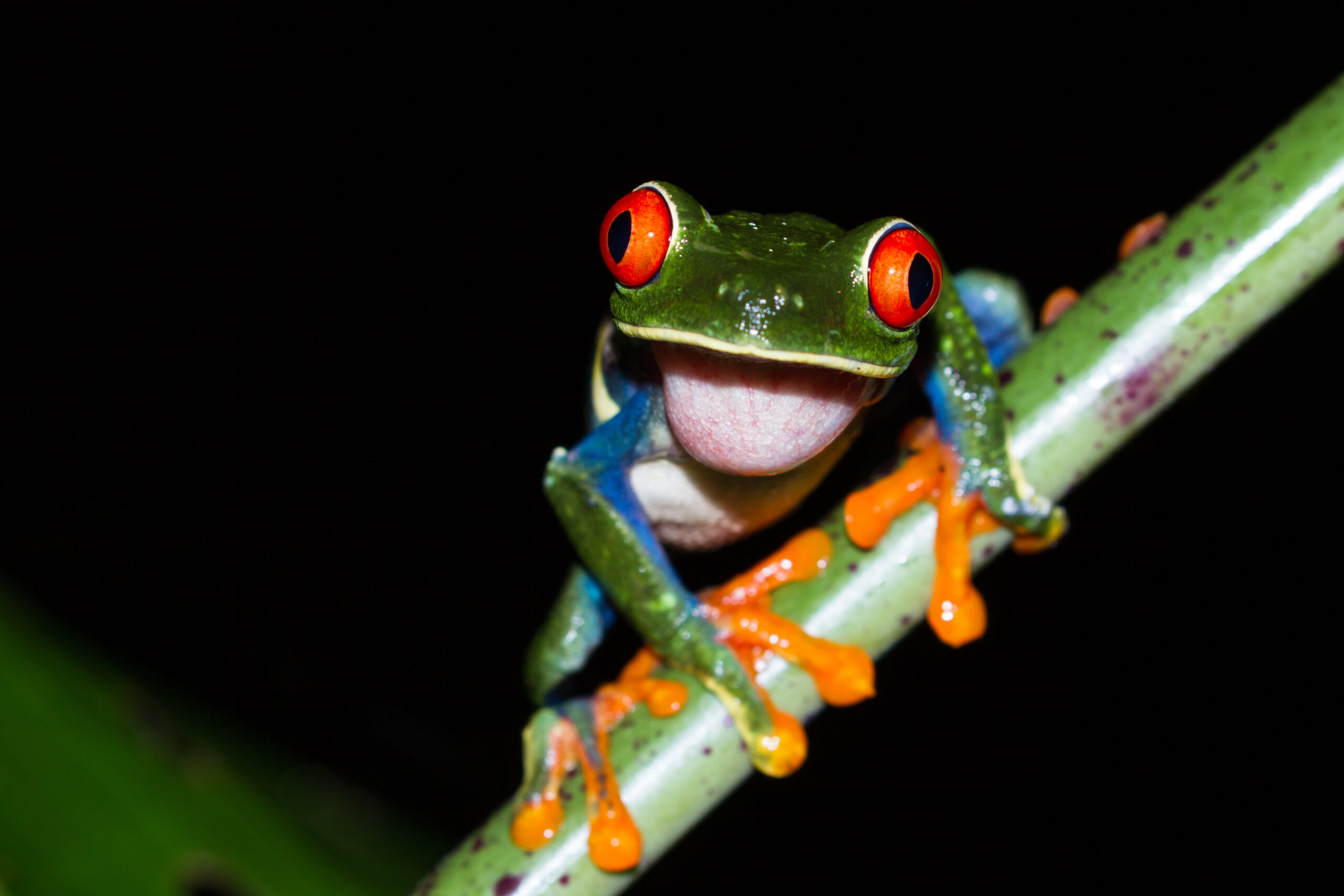
Costa Rica is one of the most biodiverse countries on Earth, making it a dream destination for nature lovers, photographers, and adventure seekers alike. From lush rainforests and misty cloud forests to tropical beaches and winding rivers, this small Central American paradise offers endless opportunities to encounter wildlife in its natural habitat. If you’re searching for the best places to see wildlife in Costa Rica, you’re in exactly the right place.
Whether you’re hoping to spot sloths hanging in the canopy, scarlet macaws flying overhead, sea turtles nesting on remote beaches, or elusive jaguars deep in the jungle, Costa Rica delivers unforgettable experiences at every turn. In this guide, we’ll explore the best places to see wildlife in Costa Rica, highlighting top national parks, protected reserves, and guided tours that give you the greatest chance of meaningful, ethical wildlife encounters. Get ready to discover where Costa Rica’s wild side truly comes alive.
Table of contents
- Wildlife in Costa Rica: What Makes This Country So Special?
- Top Tips For Wildlife Viewing in Costa Rica
- 1. Corcovado National Park – Osa Peninsula
- 2. Tortuguero National Park – Caribbean Coast
- 3. Monteverde Cloud Forest Reserve – Central Highlands
- 4. Manuel Antonio National Park – Central Pacific Coast
- 5. Arenal Volcano & La Fortuna Area – Northern Costa Rica
- 6. Ostional & Playa Hermosa – Guanacaste Coast
- 7. Caño Negro Wildlife Refuge – Northern Plains
- More Than a Trip — A Journey Into the Wild Heart of Costa Rica
Read Our Full 10-Day Itinerary!
Bookmark these reads for later:
- Where to Stay in La Fortuna, Costa Rica: Family-Friendly Hotels & Areas
- Best Budget Stays in Costa Rica for Families: Regional Guide
- Best Tours in La Fortuna, Costa Rica: Adventures for Families
- 3-Day Family-Friendly Itinerary in La Fortuna, Costa Rica
- Best Restaurants in La Fortuna, Costa Rica for Families
- Best All-Inclusive Resorts in Costa Rica For Families (2026 Guide)
- 10 Unique Things to Do in Costa Rica for Families & Where to Find Them
- Costa Rica Bucket List – 50 Amazing Things to Do & See
- What to Pack for Costa Rica: The Ultimate Family Packing Guide
- Hot Springs in La Fortuna, Costa Rica: Family Guide to the Best Thermal Pools
- Is Costa Rica Expensive for Families? Cost Breakdown + Budget Tips
- Costa Rica Travel Tips for Families: 50 Things Every Family Needs to Know
- Costa Rica Car Rentals Made Easy: What You Need to Know Before You Go
- Must-Try Foods in Costa Rica: Top Dishes Even Kids Will Love
Shop Our Kids Activity Workbooks – Available As Instant PDF Downloads!

This blog may include affiliate links, meaning if you buy something through one of our links, I may earn a small commission at no extra cost to you. Affiliate links help sustain our blog and allow us to continue traveling. Thank you for your support!
Wildlife in Costa Rica: What Makes This Country So Special?
Costa Rica is one of the most biologically diverse places on the planet, making it a true paradise for wildlife lovers, nature photographers, and families seeking unforgettable outdoor experiences. Despite its small size, the country is home to nearly 6% of the world’s biodiversity, with thousands of species living across rainforests, cloud forests, wetlands, mangroves, volcanoes, rivers, and two tropical coastlines.
Here, wildlife isn’t hidden away in remote corners — it’s part of everyday life. Monkeys leap across jungle canopies, sloths nap in roadside trees, toucans and scarlet macaws flash through the sky, and frogs, butterflies, and iguanas appear even in small towns and gardens.
What Wildlife Can You Expect to See?
Costa Rica offers an extraordinary variety of animals in their natural habitats, including:
- Mammals: Sloths, howler monkeys, capuchin monkeys, spider monkeys, anteaters, tapirs, deer, peccaries, and (for the lucky few) jaguars and pumas.
- Birds: Toucans, scarlet macaws, hummingbirds, quetzals, herons, parrots, and hundreds of tropical species.
- Reptiles & Amphibians: Iguanas, basilisk lizards, tree frogs, poison dart frogs, snakes, caimans, and crocodiles.
- Marine Life: Sea turtles, dolphins, whales, rays, reef fish, and sharks.
- Insects & Butterflies: Morpho butterflies, leafcutter ants, beetles, stick insects, and countless colorful species.
Every ecosystem reveals something different — no two regions feel the same, and every park offers a unique wildlife experience.


Why Costa Rica Is a Global Wildlife Hotspot
Costa Rica is unique not just because of how much wildlife it has, but how seriously it protects it.
- Over 25% of the country is protected land through national parks, reserves, and conservation areas.
- Strong eco-tourism laws protect habitats and species.
- Wildlife corridors connect ecosystems.
- Community conservation programs support biodiversity.
- Sustainable tourism is part of the national identity.
This commitment to conservation means travelers get rare access to thriving, protected ecosystems where wildlife still behaves naturally — not staged, fenced, or confined.
Wildlife Travel for Families
Costa Rica is one of the best wildlife destinations in the world for families with children. Encounters are exciting, safe, and educational, not extreme or intimidating.
Families can expect:
- Easy wildlife spotting without long hikes.
- Boat tours through mangroves and rivers.
- Sloth and wildlife sanctuaries.
- Butterfly gardens and frog exhibits.
- Kid-friendly national parks and trails.
- Educational nature tours.
- Ethical rescue centers and conservation programs.
Children don’t just see animals. They’ll learn about ecosystems, conservation, and respect for nature in ways that feel like adventure, not school.
A Different Kind of Wildlife Experience
Unlike traditional safari destinations or zoo-style wildlife tourism, Costa Rica offers something more immersive and natural. Wildlife viewing here is about exploration, discovery, and connection — walking through living ecosystems, hearing the forest before you see it, and experiencing animals in their true environments.
It’s not about guaranteed sightings, it’s about authentic encounters, wild landscapes, and the feeling of being part of nature instead of just observing it.
Costa Rica isn’t just a place to see wildlife; it’s a place to experience the wild.
Top Tips For Wildlife Viewing in Costa Rica
Costa Rica is one of the most biodiverse countries on Earth, and seeing wildlife here is truly magical. But knowing how to plan your experience can make the difference between a good trip and an unforgettable one. From when to go, what to bring, and how to travel responsibly, these tips will help you get the most out of every wildlife encounter.
Best Time to Plan Wildlife Viewing
- Early mornings and late afternoons are the most active times for animals. Birds, monkeys, sloths, frogs, and big cats are more likely to be moving during these cooler hours.
- Dry season (December–April) offers better trail conditions and visibility.
- Green season (May–November) brings lush landscapes, fewer crowds, and more animal activity — especially amphibians, birds, and insects.
- For marine life:
- Whale watching peaks in July–October (southern migration) and December–March (northern migration).
- Sea turtle nesting varies by coast and species but often peaks July–November.
What to Bring on Wildlife Tours
- Binoculars – Essential for birds, monkeys, and canopy wildlife.
- Camera with a zoom lens – Wildlife often stays at a distance.
- Lightweight rain jacket or poncho – Rain can happen anytime.
- Quick-dry clothing – Humidity and rain are common.
- Closed-toe hiking shoes – Trails can be muddy and uneven.
- Insect repellent – Especially in rainforest and wetland areas.
- Sunscreen & hat – Coastal and open areas get intense sun.
- Reusable water bottle – Hydration is key in tropical climates.
- Dry bag – Protects electronics and documents during rain or boat tours.
How to Spot More Wildlife
- Hire local guides – They know animal calls, hiding spots, and habitats better than anyone.
- Move slowly and quietly – Wildlife is more likely to appear when you’re calm and patient.
- Look up, not just ahead – Many animals live in the canopy, not on the trail.
- Listen carefully – Bird calls, rustling leaves, and howler monkeys often lead you to sightings.
- Use guided night tours – Nocturnal wildlife like frogs, owls, kinkajous, and insects come alive after dark.
Responsible Wildlife Viewing (Eco-Tourism Tips)
- Never touch, feed, or chase animals.
- Avoid flash photography, especially at night.
- Keep a respectful distance.
- Stay on marked trails.
- Support ethical wildlife tours and certified eco-guides.
- Don’t remove plants, animals, or natural objects.
- Follow park rules — Costa Rica enforces conservation laws seriously.
Tips for Families & Kids
- Choose short, guided tours instead of long hikes.
- Visit wildlife rescue centers and sanctuaries for close-up educational experiences.
- Bring snacks, water, and sun protection.
- Let kids use binoculars or kid cameras to make it interactive.
- Choose boat tours (mangroves, rivers, wetlands) for easier wildlife viewing.
- Prepare kids for quiet observation instead of loud excitement.
Planning & Booking Tips
- Book tours early in peak season (Dec–April, July–August).
- Choose small group tours for better wildlife sightings.
- Look for certified naturalist guides.
- Combine habitats for diversity (rainforest + mangroves + coast).
- Stay near national parks or reserves for early access and fewer crowds.
Best Habitats to Combine in One Trip
For maximum wildlife diversity, mix different ecosystems:
- Rainforest (sloths, monkeys, frogs, birds).
- Cloud forest (hummingbirds, quetzals).
- Mangroves (crocodiles, birds, monkeys).
- Wetlands (caimans, river birds).
- Coastal zones (turtles, whales, dolphins).
Pro Travel Tips
- Don’t expect zoo-like visibility — wildlife sightings are natural and unpredictable.
- Patience = better experiences.
- Even “common” animals are special in the wild.
- Every region offers different species — variety is the magic.
- Respect nature first, photos second.
Looking for a full list of tried and tested travel essentials?

1. Corcovado National Park – Osa Peninsula
Corcovado National Park is often called the crown jewel of Costa Rica’s rainforests, renowned for its extreme biodiversity and remote wilderness.

- Animals: Jaguars (rare), tapirs, scarlet macaws, monkeys, and sloths.
- Unique Features: Untouched rainforest, waterfalls, beaches, and incredible biodiversity.
- Best Season: Dry season (December–April) for easier trekking and wildlife spotting.
- Accessibility: Fly to Puerto Jiménez or Drake Bay; then hike or take a guided boat.
- Where to Stay: Eco-lodges in Puerto Jiménez or Drake Bay.
- Tours: Guided jungle treks and night wildlife tours.
Check out these top-rated tours:
Check out these great places to stay:
2. Tortuguero National Park – Caribbean Coast
Tortuguero is famous for its network of canals and sea turtle nesting beaches, offering a unique wildlife experience accessible mostly by boat or small plane.

- Animals: Green turtles, jaguars, monkeys, caimans, and tropical birds.
- Unique Features: Maze of waterways perfect for guided boat tours; turtle nesting July–October.
- Best Season: Turtle nesting season (July–October).
- Accessibility: Small plane or boat from Guápiles or San José.
- Where to Stay: Lodges along the canals for full immersion.
- Tours: Turtle watching, birding, and canal boat tours.
Check out these top-rated tours:
Check out these great places to stay:
3. Monteverde Cloud Forest Reserve – Central Highlands
Monteverde is a misty cloud forest with incredible biodiversity, famous for its birds, epiphytes, and hanging bridges.

- Animals: Resplendent quetzal, howler monkeys, sloths, hummingbirds.
- Unique Features: Canopy bridges, cloud forest microclimate, rich plant life.
- Best Season: Dry season (December–April) for trekking and wildlife spotting.
- Accessibility: Drive or shuttle from San José.
- Where to Stay: Monteverde village lodges and eco-resorts.
Check out these top-rated tours:
Check out these great places to stay:
4. Manuel Antonio National Park – Central Pacific Coast
Manuel Antonio combines rainforest, beaches, and easy trails, making it one of Costa Rica’s most accessible wildlife parks.

- Animals: White-faced capuchin monkeys, sloths, iguanas, scarlet macaws.
- Unique Features: Tropical beaches with hiking trails and abundant wildlife.
- Best Season: Dry season (December–April) for sunny trails and beach visits.
- Accessibility: 3-hour drive from San José; guided tours available.
- Where to Stay: Hotels and eco-lodges in nearby Quepos.
- Tours: Guided wildlife hikes, kayaking, snorkeling.
Check out these top-rated tours:
Check out these great places to stay:
5. Arenal Volcano & La Fortuna Area – Northern Costa Rica
The Arenal region offers volcanic landscapes, hot springs, and wildlife-rich forests, perfect for adventure and nature lovers.

- Animals: Frogs, toucans, howler monkeys, coatis, jaguarundi (rare).
- Unique Features: Active volcano backdrop, hanging bridges, waterfalls, and hot springs.
- Best Season: Year-round; trails are easier during the dry season (December–April).
- Accessibility: Shuttle or drive from San José or Liberia.
- Where to Stay: La Fortuna lodges, hotels, and eco-resorts.
- Tours: Night wildlife walks, waterfall hikes, canopy tours.
Check out these top-rated tours:
Check out these great places to stay:
- Hotel El Silencio del Campo
- Hotel Los Lagos Spa & Resort
- Volcano Lodge Hotel & Thermal Experience
- Hotel Secreto La Fortuna
6. Ostional & Playa Hermosa – Guanacaste Coast
Ostional is a top spot for witnessing Olive Ridley sea turtle arribadas, a natural spectacle where thousands of turtles nest simultaneously.

- Animals: Olive Ridley turtles, sea birds, and crabs.
- Unique Features: Mass turtle nesting events; pristine beaches.
- Best Season: July–December for arribadas.
- Accessibility: Drive from Liberia Airport; guided tours recommended.
- Where to Stay: Nearby eco-lodges or small hotels.
- Tours: Local guided turtle watching tours.
Check out these top-rated tours:
Check out these great places to stay:
7. Caño Negro Wildlife Refuge – Northern Plains
Caño Negro is a wetland paradise known for its waterbirds and river wildlife, ideal for birdwatchers and nature photographers.

- Animals: Jabiru storks, caimans, monkeys, tropical birds.
- Unique Features: Boat tours through freshwater lagoons and wetlands.
- Best Season: Rainy season (May–October) for abundant water and migratory birds.
- Accessibility: Drive from La Fortuna or Upala.
- Where to Stay: Lodges in Upala or near the refuge.
- Tours: Guided boat tours for birds and wildlife.
Check out these top-rated tours:
Check out these great places to stay:
More Than a Trip — A Journey Into the Wild Heart of Costa Rica
Costa Rica’s wildlife is world-famous for a reason. From the remote rainforests of Corcovado to the turtle beaches of Ostional and the misty cloud forests of Monteverde, there’s something for every traveler. By visiting the top national parks, taking guided tours, and traveling in the best season, you can experience some of the planet’s most extraordinary animals up close. Whether you’re chasing quetzals, monkeys, or sea turtles, Costa Rica offers unforgettable wildlife adventures for all ages and interests.
Pura vida!


Leave a Reply