Why visit Albania with kids?
Albania is quickly becoming a top choice for families seeking a beautiful, affordable, and stress‑free European trip. With soft sandy beaches along the Adriatic and Ionian coasts, calm turquoise waters ideal for children learning to swim, historic towns filled with castles and ancient ruins, and wide open nature, Albania balances adventure and relaxation perfectly for parents traveling with kids. In this guide, we show why a family trip to Albania could be exactly what your next vacation needs: kid‑friendly beaches, budget‑friendly prices, and a whole lot of charm without the crowds.
This blog may contain affiliate links. If you make a purchase through one of these links, I may earn a small commission at no extra cost to you. I only recommend products and services I believe are valuable, and any opinions shared are my own. Your support helps sustain our blog. Thank you!
Albania’s Rich Culture
Culture in Albania
Albania offers a rich cultural experience for families traveling with kids. From traditional music and dance to colorful festivals and local crafts, exploring Albania’s culture is both fun and educational for children and adults alike. Discover how family travel in Albania can be immersive and memorable.
Albania is a country where history and culture come alive through its stunning landscapes and ancient monuments, offering a fascinating glimpse into its diverse heritage. From the remnants of ancient civilizations like the Illyrians and Romans to the Ottoman influences that shaped much of its architecture, Albania’s rich cultural tapestry is evident at every turn. The country is home to several UNESCO World Heritage Sites, multiple archaeological treasures, and a vibrant cultural scene. Whether exploring its historical landmarks or experiencing the warmth of its local traditions, Albania promises an unforgettable journey into the heart of a nation where the past and present seamlessly coexist.
The country offers a dynamic cultural landscape that has evolved over centuries due to various influences, including Roman, Byzantine, and Ottoman. Its identity is deeply rooted in hospitality, reflected in the concept of besa, which means keeping one’s word. For example, visitors often receive warm welcomes and homemade Albanian dishes in local homes.
It remains a vibrant tapestry woven from centuries of diverse influences, yet it retains a distinctive character all its own. Situated at the crossroads of East and West, the country’s culture has been shaped by a variety of civilizations, including the Illyrians, Greeks, Romans, Byzantines, and Ottomans. Each of these cultures has left a mark on Albania’s traditions, architecture, language, and religious practices, creating a fascinating blend of old and new. The result is a country where ancient customs coexist with modern European influences, offering travelers an authentic cultural experience that feels both timeless and unique.

Hospitality
One of the most striking aspects of Albanian culture is its emphasis on hospitality. Albanians are known for their warmth and generosity, with visitors often welcomed into homes with open arms. This tradition of hospitality is deeply rooted in the country’s history, where offering shelter and food to strangers was not just a custom but a vital part of survival. In rural areas, this tradition is still very much alive, and guests can enjoy the rich flavors of homemade Albanian dishes while learning about the local customs and history.
Art and Music
The country’s rich cultural heritage is also reflected in its art and music. Traditional Albanian music, which varies by region, often incorporates complex rhythms and melodies that are passed down through generations. Instruments like the “çifteli” (a two-stringed instrument) and the “lute” are central to the musical traditions, and the songs often tell stories of love, heroism, and daily life. Folk dances, such as the “valle,” are performed at festivals and celebrations, showcasing the energetic and communal spirit that is a hallmark of Albanian culture.
Religion
Religious and cultural festivals are an important part of life in Albania, blending Christian and Muslim traditions in a harmonious way. Major events like Easter and Christmas are celebrated with great enthusiasm, while Islamic holidays such as Eid also hold significance in the predominantly Muslim country. Despite Albania’s complex history of religious diversity, its people take pride in the peaceful coexistence of these different faiths, and this multiculturalism is reflected in the daily lives of Albanians.

Historic Sites in Albania
Unique Archaeological and UNESCO Sites
Traveling to Albania with children is a unique way to explore Europe’s hidden history. With castles, ancient ruins, and historic towns, families can enjoy educational adventures that keep kids engaged while parents soak in the fascinating past.
Albania is a land steeped in history, with archaeological wonders and UNESCO-listed sites that showcase its rich and diverse past. From ancient ruins that tell the story of early civilizations to well-preserved Ottoman towns, the country offers visitors a journey through time. These historical sites not only highlight Albania’s significance in the ancient world but also reflect the cultural influences that have shaped its identity over millennia.
1. Butrint – The Ancient City of Legends
One of Albania’s most famous UNESCO World Heritage Sites, Butrint is an archaeological treasure that dates back over 2,500 years. Once a thriving Greek, Roman, and Byzantine city, Butrint is now a fascinating open-air museum filled with well-preserved ruins, including a grand amphitheater, Roman baths, and an ancient basilica. Set against the backdrop of a lush national park, the site offers a unique combination of history and nature, making it one of the country’s most captivating attractions.

2. Berat – The City of a Thousand Windows
Berat, another UNESCO-listed gem, is known for its striking Ottoman architecture and well-preserved historic neighborhoods. Often called the “City of a Thousand Windows” due to its distinctive white-washed houses with large windows overlooking the Osum River, Berat is a living museum of Albania’s rich cultural and architectural heritage. The hilltop Berat Castle, still inhabited today, is home to ancient churches, mosques, and the Onufri Museum, which houses stunning Byzantine-era frescoes and icons.

3. Gjirokastër – The Stone City
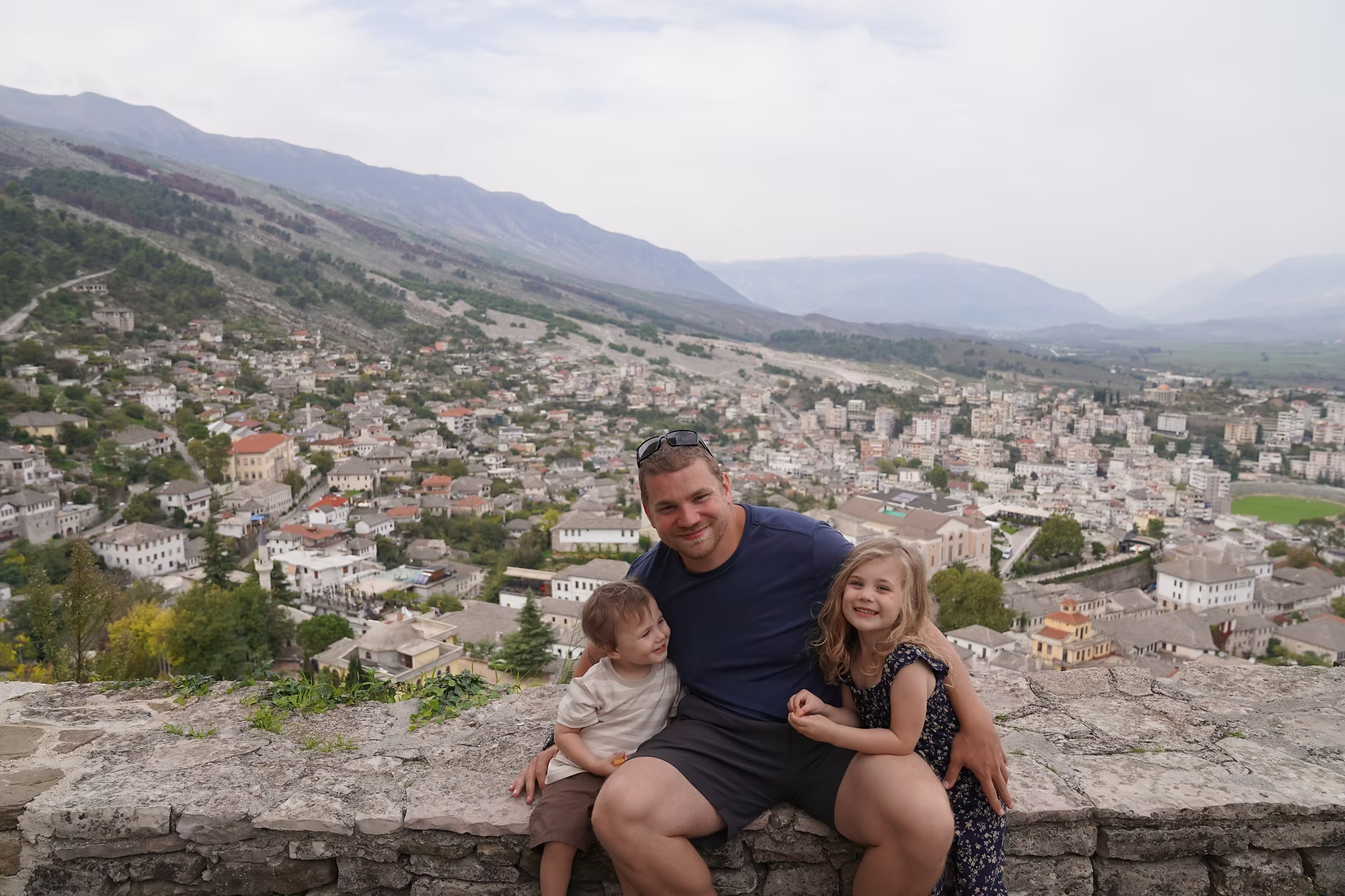
The UNESCO-listed town of Gjirokastër is a stunning example of Ottoman-era architecture, known for its fortress-like stone houses that climb the hillside. The town’s centerpiece is the imposing Gjirokastër Castle, which offers breathtaking views of the Drino Valley and houses an intriguing museum displaying relics from Albania’s turbulent past. Walking through its cobbled streets, visitors can explore traditional houses, historic mosques, and the birthplace of Albania’s former dictator, Enver Hoxha, now a museum dedicated to the region’s history.

4. Apollonia – The Greek and Roman Legacy
Located near Fier, Apollonia was one of the most important cities in the ancient Greek and Roman world. Founded in the 6th century BC by Greek settlers, Apollonia thrived as a center of learning and trade, even serving as a place of study for the future Roman Emperor Augustus. Today, visitors can wander through its impressive ruins, including a grand theater, an ancient agora, and the remains of temples and Roman villas. The site’s archaeological museum, housed in a former monastery, provides further insight into the city’s illustrious past.
5. Durrës Amphitheater – A Roman Marvel
In the heart of Albania’s coastal city of Durrës lies one of the Balkans’ largest Roman amphitheaters, capable of seating up to 20,000 spectators. Built in the 2nd century AD, this impressive structure once hosted gladiator battles and public spectacles. Though partially buried beneath the modern city, ongoing excavations continue to reveal new insights into Albania’s Roman heritage, making it a must-visit site for history enthusiasts.
Stunning Albanian Landscapes
Albania’s diverse landscapes make it a perfect destination for family adventure. It’s a land of stunning contrasts, where rugged mountains meet pristine beaches, and tranquil lakes lie beside rolling hills. Despite its small size, the country boasts an extraordinary variety of landscapes, offering something for every type of traveler. The sun-drenched Albanian Riviera is home to some of the most beautiful beaches in the Mediterranean, while the Albanian Alps provide a breathtaking escape for hikers and adventure seekers. Inland, Albania’s lakes and rivers offer serene retreats, while its national parks and natural wonders showcase an abundance of wildlife and unspoiled beauty. Whether you’re drawn to the coastal charm, alpine adventures, or hidden gems of the countryside, Albania’s landscapes promise a truly unforgettable experience.
Beaches/Albanian Riviera
The Albanian Riviera is one of the country’s most prized natural wonders, boasting crystal-clear waters, hidden coves, and dramatic cliffs that plunge into the Ionian Sea. Stretching from Vlorë to Sarandë, this coastline rivals the beauty of more famous Mediterranean destinations but remains less crowded and more affordable. Popular beach destinations like Ksamil, Dhërmi, Jale, and Himarë offer pristine shorelines, while the Llogara Pass provides panoramic views of the coast from high above. Whether you’re looking for lively beach bars or secluded, untouched beaches, the Riviera offers a perfect mix of relaxation and adventure.

Mountains/Albanian Alps
For those seeking rugged beauty, the Albanian Alps, also known as the Accursed Mountains, are an absolute must-visit. This remote and stunning region in northern Albania is home to dramatic peaks, deep valleys, and crystal-clear rivers. The Valbona Valley National Park and Theth National Park offer some of the most picturesque hiking trails in the Balkans, with breathtaking views of towering mountains, waterfalls, and traditional stone villages. Whether you’re trekking from Valbona to Theth, visiting the spectacular Blue Eye of Theth, or simply soaking in the fresh mountain air, the Alps provide an unforgettable experience for nature lovers.
Beautiful Cities
Albania’s cities are bursting with charm and history. Tirana, the capital, stands out with its colorful architecture, vibrant street art, and rich cultural institutions, like the National History Museum. Shkodër, one of Albania’s oldest cities, offers historical sights such as Rozafa Castle, where visitors can enjoy stunning panoramic views.

Historic Villages and Towns
Albania’s villages offer a glimpse into a way of life that has remained largely untouched by time, where traditions, hospitality, and breathtaking landscapes come together in perfect harmony. Scattered across mountains, valleys, and coastal cliffs, these villages provide an authentic experience of rural Albania.
In the north, Theth and Valbona are mountain hamlets surrounded by the dramatic peaks of the Albanian Alps, offering visitors a chance to explore pristine nature, traditional stone houses, and legendary hospitality.
In the south, Dhermi and Qeparo, with their whitewashed homes perched on hills overlooking the Ionian Sea, boast a peaceful charm and some of the most picturesque beaches in the country. Voskopoja, once a thriving cultural and religious center, now stands as a quiet yet historically rich village, home to stunning Orthodox churches with beautifully preserved frescoes.
Lakes and National Parks
Albania is also blessed with stunning lakes and rivers that add to its diverse landscape. Lake Ohrid, shared with North Macedonia, is one of Europe’s oldest and deepest lakes, offering a peaceful escape with its clear waters and charming lakeside villages like Pogradec. Meanwhile, Lake Shkodër, the largest lake in the Balkans, is a haven for birdwatchers and nature enthusiasts. For a more adventurous experience, the Vjosa River, one of Europe’s last wild and free-flowing rivers, provides opportunities for rafting and kayaking through untouched landscapes.

Albania’s national parks showcase the country’s rich biodiversity and untouched wilderness. Llogara National Park, with its lush forests and winding mountain roads, is perfect for hiking and paragliding. Divjakë-Karavasta National Park is home to the rare Dalmatian pelican and vast lagoons, making it a paradise for birdwatchers. Meanwhile, the Blue Eye (Syri i Kaltër), a mesmerizing natural spring near Sarandë, enchants visitors with its deep blue waters and mystical allure. These protected areas not only highlight Albania’s natural beauty but also serve as essential conservation zones for wildlife and rare plant species.

Affordable Family Travel
One of the best reasons to visit Albania with kids is its affordability. Budget-friendly accommodations, inexpensive local food, and low-cost attractions make it an ideal European getaway for families looking to travel without overspending.
Unlike many of its Mediterranean neighbors, where prices skyrocket during peak season, Albania remains refreshingly budget-friendly, offering visitors an unforgettable experience without breaking the bank. From accommodation and dining to transportation and activities, travelers can enjoy high-quality experiences at a fraction of the cost compared to other European hotspots.
A major reason for Albania’s affordability is that it is still relatively undiscovered compared to more famous destinations like Greece, Italy, or Croatia. With tourism still growing, prices for hotels, guesthouses, and rental apartments remain significantly lower, even in sought-after locations like the Albanian Riviera.
While a night at a seaside hotel in Santorini or Dubrovnik can cost hundreds of euros in the summer, visitors to Ksamil, Dhërmi, or Himarë can find comfortable accommodations for as little as €30–€70 per night, even in peak season. Budget travelers can find hostels or guesthouses for as low as €15–€25 per night, making Albania an excellent choice for affordable summer getaways.
$26.22 USD
This is the average nightly price we spent on accomodation for a family of 4. We spent 2 weeks road trippping the country, spending our nights in spacious apartments equipped with kitchens and offering amenitites like Wi-Fi and parking.
Food and drink are also incredibly affordable, with delicious traditional meals at local restaurants costing far less than in Western Europe. A hearty plate of tavë kosi (baked lamb with yogurt) or fresh seafood by the coast can often be enjoyed for €5–€10 per meal, while a cup of espresso in a cozy café costs as little as €0.50–€1. Even in the capital, Tirana, trendy bars and restaurants offer great value, with a three-course meal at a mid-range restaurant costing around €10–€20 per person, and a local beer or glass of wine priced between €1–€2.
Transportation is another area where Albania stands out for its affordability. Public buses and furgons (shared minibuses) connect major cities and towns for as little as €3–€10 per ride, making it easy to travel across the country on a budget. Renting a car is also cheaper compared to neighboring countries, with daily rates ranging from €20–€40, allowing visitors to explore Albania’s stunning coastline and mountainous landscapes at their own pace. Additionally, many of Albania’s top attractions, such as Berat Castle, Gjirokastër’s Old Town, and the Blue Eye spring, have either very low entrance fees (€2–€5) or are completely free to visit.
Albania’s affordability makes it a perfect destination for budget-conscious travelers, backpackers, and families looking for a high-quality but cost-effective vacation. Even during peak season, visitors can enjoy stunning beaches, rich cultural experiences, and adventure-filled landscapes without the hefty price tag found in other Mediterranean destinations. With its mix of affordability, beauty, and hospitality, Albania remains one of Europe’s best-kept travel secrets.
Family Activities in Albania
Albania offers a wide variety of activities for families, from beach days and boat trips to castle tours and hiking adventures. No matter the age of your children, there’s something exciting to do that makes every day memorable.
Whether you’re an adventurer seeking thrilling hikes, a history enthusiast eager to explore ancient ruins, or someone looking to relax by the sea, Albania offers a diverse selection of experiences. From the crystal-clear waters of the Albanian Riviera to the rugged beauty of the Albanian Alps, and from centuries-old castles and fortresses to UNESCO-listed historical sites, the country provides endless opportunities for discovery and relaxation.
Swimming, Beaches, and Boat Trips
Spending time on the breathtaking beaches of the Albanian Riviera is an essential part of any visit. The coastline, stretching from Vlorë to Ksamil, is lined with pristine beaches boasting turquoise waters and soft white sand. Popular beach destinations such as Dhërmi, Jale, and Ksamil offer a mix of lively beach bars and secluded spots for a more peaceful retreat. For those who love exploring beyond the shore, boat trips to hidden coves and offshore islands provide an exciting way to experience Albania’s natural beauty. Some companies offer customized boat tours, allowing travelers to tailor their experience, whether they prefer snorkeling in crystal-clear waters, visiting remote beaches, or simply enjoying the serene views of the coastline from the sea.

Hiking in the Mountains
Albania is a paradise for nature lovers and adventure seekers, offering some of the most stunning hiking trails in the Balkans. The Albanian Alps, also known as the Accursed Mountains, feature rugged peaks, lush valleys, and breathtaking views that reward hikers of all levels. Trails range from leisurely walks through picturesque meadows to challenging ascents leading to spectacular viewpoints. One of the most popular routes, the Valbona to Theth hike, is a bucket-list trek that takes travelers through scenic landscapes, traditional villages, and cascading waterfalls—perfect rest stops to soak in the beauty of nature. Additionally, Llogara National Park offers excellent hiking opportunities with trails that overlook the Ionian Sea, providing a unique combination of mountain and coastal scenery.
Castles and Fortresses
Albania is home to numerous castles and fortresses, each with its own fascinating history and breathtaking surroundings. These structures, many dating back to the Illyrian, Byzantine, and Ottoman periods, serve as testaments to Albania’s strategic importance throughout history. Among the most impressive is Rozafa Castle in Shkodër, perched atop a hill with panoramic views of Lake Shkodër, the Buna and Drin rivers, and the surrounding mountains. Legends surround its origins, adding to its mystique. Another notable fortress is Petrela Castle, located just outside Tirana, offering a glimpse into medieval Albanian defense systems. Gjirokastër Fortress, one of the largest castles in the Balkans, houses a military museum and provides sweeping views of the city’s well-preserved Ottoman architecture. These castles transport visitors back in time and offer incredible photography opportunities.

Historical Sites
For history enthusiasts, Albania offers a wealth of ancient ruins, well-preserved Ottoman towns, and UNESCO-listed sites that provide a window into the country’s rich past. The archaeological site of Butrint, a UNESCO World Heritage Site, is one of the most remarkable places to explore. Once a major Greek and Roman city, it features an impressive amphitheater, ancient temples, and remnants of early Christian churches. Walking through its ruins, visitors can vividly imagine life in this once-thriving settlement.
Equally fascinating is the city of Berat, also a UNESCO-listed site, known for its Ottoman-era architecture and unique hillside houses with large windows, earning it the nickname the “City of a Thousand Windows.” Strolling through its historic Mangalem and Gorica quarters or visiting the Berat Castle, which remains inhabited to this day, offers an immersive experience into Albania’s architectural and cultural heritage.
Whether you’re drawn to Albania’s stunning coastline, rugged mountains, medieval castles, or rich historical sites, the country truly has something for everyone. With its diversity of landscapes and attractions, Albania continues to be one of Europe’s most underrated travel destinations, offering visitors a mix of adventure, relaxation, and cultural enrichment.
Kid-Friendly Albanian Cuisine
Albania’s cuisine is full of flavors that both kids and adults can enjoy. From fresh seafood to baked pastries, families can taste the local culture while keeping mealtimes easy and enjoyable for children.
The food here is a delightful blend of Mediterranean and Balkan flavors, influenced by centuries of Ottoman, Greek, and Italian culinary traditions. Fresh, locally sourced ingredients play a central role in every meal, with an emphasis on seasonal vegetables, high-quality meats, and freshly caught seafood. Meals in Albania are often enjoyed at a leisurely pace, accompanied by warm hospitality and a deep-rooted food culture that brings people together.
Regional Specialties: From the Coast to the Mountains
Albania’s geography plays a significant role in shaping its cuisine. Along the coastal regions, particularly in the Albanian Riviera and cities like Durrës, Vlorë, and Sarandë, seafood is a staple. Freshly grilled fish, octopus, mussels, and shrimp are commonly served with a drizzle of olive oil, lemon, and herbs. One must-try dish is tave peshku, a baked fish dish cooked in a clay pot with vegetables and spices. Additionally, the region of Butrint is famous for its mussel farms, producing some of the freshest shellfish in the Balkans.
In contrast, Albania’s mountainous regions, including Theth, Valbona, and Korçë, specialize in hearty, meat-based dishes. Lamb, beef, and goat are often slow-cooked to perfection, resulting in rich, comforting meals. Tavë kosi, one of Albania’s most beloved dishes, is a baked lamb and yogurt casserole with a deliciously tangy and creamy flavor. Another mountain specialty is jufka, a handmade pasta dish often served with butter and local cheese.
Must-Try Traditional Dishes
Albania boasts a variety of mouthwatering dishes that showcase its rich culinary heritage. Some must-try specialties include:
- Byrek – A flaky, savory pastry filled with ingredients such as cheese, spinach, or minced meat. This beloved snack is a staple in Albanian households and is often enjoyed with a glass of dhallë (a yogurt-based drink).
- Fërgesë – A rich and flavorful dish made from peppers, tomatoes, and cottage cheese, often combined with liver or beef. This dish is particularly popular in Tirana and is commonly enjoyed with fresh bread.
- Qofta – Deliciously spiced Albanian meatballs, typically grilled or fried and served with yogurt or a side of fresh salad.
- Flija – A layered pancake-like dish, traditionally cooked outdoors over an open flame and served with honey or yogurt. This dish is particularly popular in northern Albania.
- Speca të Mbushura – Stuffed bell peppers filled with rice, herbs, and sometimes minced meat, cooked in a flavorful tomato sauce.

The Market Experience: Fresh Produce and Artisanal Foods
One of the best ways to experience Albania’s food culture is by visiting local markets, where vendors sell fresh fruits, vegetables, cheeses, olives, and artisanal products. Markets such as the New Bazaar (Pazari i Ri) in Tirana offer a vibrant atmosphere where you can taste locally produced honey, olive oil, and cured meats. In the southern region of Përmet, you’ll find some of the best gliko, a traditional fruit preserve made with sugar syrup, often served as a sweet treat with coffee.
Whether you’re indulging in fresh seafood by the coast, savoring a hearty lamb dish in the mountains, or enjoying a warm piece of byrek from a street vendor, Albanian cuisine offers an unforgettable gastronomic journey that reflects the country’s diverse landscape and cultural influences.
Albania: Europe’s Hidden Gem
One of the most compelling reasons to visit Albania is its relatively undeveloped tourist infrastructure, which results in fewer crowds at even the most popular sites. Unlike neighboring destinations such as Greece or Italy, where landmarks and beaches are often overrun with tourists, Albania offers a much more peaceful and intimate experience. Whether you’re strolling through the ancient ruins of Butrint, wandering the cobbled streets of Gjirokastër, or relaxing on the unspoiled beaches of the Albanian Riviera, you can truly take your time to soak in the beauty and history of each place without feeling rushed or overwhelmed by crowds.
This lack of mass tourism means that Albania’s natural and historical attractions remain unspoiled. Visitors can admire the grandeur of Rozafa Castle in Shkodër or explore the Llogara Pass without dealing with long lines or the over-commercialization found in other destinations. Even during peak season, many of Albania’s beaches remain serene and inviting, with plenty of space to relax and enjoy the crystal-clear waters of the Ionian and Adriatic Seas.

A Rare and Authentic Travel Experience
In addition to the lack of crowds, Albania offers an authentic and immersive travel experience that is becoming increasingly rare in today’s world of over-commercialized tourism. The country’s diverse offerings, affordable prices, and tranquil surroundings allow visitors to experience its rich culture and natural beauty without the artificial feel of heavily developed tourist destinations. Instead of encountering chain hotels and overpriced souvenir shops, travelers are welcomed by family-run guesthouses, locally owned restaurants, and warm hospitality that reflects Albania’s deep-rooted traditions.
Dining in Albania is a perfect example of this authenticity—rather than eating at generic, tourist-oriented establishments, visitors can enjoy home-cooked meals prepared with fresh, locally sourced ingredients, often accompanied by stories from the owners about the history of the region. Whether you’re sipping homemade raki in a mountain village, buying artisanal cheeses at a local market, or sharing a traditional Albanian meal with a welcoming host, you’ll find that the country’s charm lies in its simplicity and genuine hospitality.
For those seeking a travel experience that feels untouched by mass tourism, Albania is the perfect destination. Its mix of stunning landscapes, rich history, and warm local culture, combined with affordability and tranquility, creates a truly unique getaway that stands in stark contrast to the crowds and commercialization of many other European hotspots.
Safe And Easy Travel
Traveling to Albania with children is simple and safe. With accessible airports, reliable car rentals, and family-friendly infrastructure, parents can focus on creating memories instead of worrying about logistics.
Albania is a generally safe and welcoming destination for travelers, with growing efforts to improve accessibility for all visitors. The country’s infrastructure is evolving, offering various options for those exploring both urban and rural areas. From the safety of walking through vibrant city streets to the accessibility of accommodations and public spaces, Albania provides a relatively easy and secure environment for tourists. This section highlights key aspects of safety and accessibility, ensuring travelers can enjoy their visit with peace of mind.
Transport Options
Albania is generally considered safe for tourists, and it offers a range of accessible transportation options, making travel around the country relatively easy. Buses and taxis are available in most cities and larger towns, while private car rentals provide a more flexible way to explore rural areas or coastal regions. For those traveling between cities, intercity buses offer an affordable and reliable mode of transportation. There are also frequent ferries connecting Albania to nearby destinations like Italy and Greece, providing scenic views along the way.
Options to Fly In
Tirana International Airport (Nënë Tereza International Airport) is the main gateway into Albania, connecting the capital to several major cities in Europe. Flights are regularly available from cities across Italy, Greece, Germany, and other European countries. This makes it fairly straightforward to fly into Albania for both short-term visits and longer stays. Additionally, neighboring countries, such as Montenegro and Greece, have airports that offer alternative routes for travelers who may want to explore the region further. Whether traveling by air, sea, or land, Albania’s connectivity is increasingly improving, providing convenient options for international and regional travelers.
Safety of Driving and Walking Around Cities
Driving in Albania can be an exciting experience, with scenic routes, especially along the Adriatic and Ionian coasts. The country’s roads, however, vary in quality. Major highways are generally in good condition, but more remote roads, particularly in the mountainous areas, may be narrower and less well-maintained. It is important to drive cautiously, as local driving habits can sometimes be unpredictable. While Albania’s road infrastructure has improved in recent years, it’s still advisable to use a GPS or a map to navigate effectively, particularly if venturing into rural areas.
Walking around Albanian cities, such as Tirana, Shkodër, and Vlorë, is generally safe. The streets are typically bustling with locals and visitors alike. Albanian people are known for their friendliness and hospitality, and many tourists find navigating the cities to be relatively straightforward. However, it is worth noting that some areas in older towns may have uneven sidewalks or streets, so pedestrians should be cautious in certain parts of the city. Like in any urban environment, exercising basic safety precautions, such as keeping an eye on your belongings and being aware of your surroundings, is advised.
Accessibility Considerations
In terms of accessibility, Albania is gradually improving its infrastructure to cater to people with disabilities. Larger cities and newer public transportation services, such as buses, are becoming more accessible, though some older buildings and public spaces may still pose challenges for individuals with mobility impairments. Visitors with specific accessibility needs should plan ahead, as not all tourist sites or transportation options may have facilities such as ramps or elevators. It’s also advisable to research and book accommodations that are accessible, as the quality and availability of these can vary.
Overall, Albania offers a welcoming and relatively safe travel experience for tourists, with growing efforts toward making the country more accessible to everyone.
Top Tips For Families
Planning a family trip to Albania is easier with a few expert tips. From packing advice to itinerary suggestions and money-saving hacks, these tips help families enjoy stress-free travel and make the most of their Albanian adventure.
To make the most of your trip, here are our top tips and insights:
1. Carry Cash – Preferably Smaller Bills
Many places in Albania are cash-only, including local restaurants, markets, parking, and even most attractions. ATMs are available in major cities, but it’s best to arrive with some cash in hand and smaller denominations for easier transactions. If you can order Albanian Lek from your local bank ahead of your trip, that’s usually the most cost-effective option. Otherwise, you’ll be able to easily find a local currency exchange while in Albania.
2. Set Up an eSIM Before You Arrive
Stay connected hassle-free by setting up an eSIM before landing. We highly recommend Airalo for its reliability and affordability. This will save you the trouble of finding a SIM card locally and typically offers better rates. You’ll be able to hop off the plane, turn on the eSIM, and start your journey immediately. And don’t worry, it’s super easy to set up, and they provide all the necessary instructions.
New customers with Airalo can get 15% off their order by clicking HERE!
Don’t worry, existing customers get a discount too. Get your 10% off HERE!
3. Book in Advance for the Best Deals
Flights, car rentals, and accommodations can fill up quickly, especially in peak season. To get the best prices:
- Compare flights on third-party sites like Hopper or Expedia.
- Use Discover Cars to find and compare car rental options.
- Book accommodation well in advance – we recommend checking multiple third-party sites like Booking.com and Expedia to ensure you find exactly what you are looking for at the right price.
- Book tours early on platforms like GetYourGuide and Viator—most allow free cancellation up to 24 hours before, so don’t worry if you change your mind later.
4. Have a Translator App Handy
While many Albanians speak English, especially in popular tourist areas, you’ll likely encounter people who don’t, especially in smaller towns and villages. Google Translate is a lifesaver for communicating in shops, restaurants, or when asking for directions.
5. Drive with Caution (and a Sense of Humor)
If you’re renting a car, be prepared for different driving habits. Some roads, especially in rural areas, can be rough, and parking can be chaotic—embrace the experience! Like locals, you may need to park creatively (sometimes on curbs!). Just be sure to follow any parking or road signs to ensure you follow local laws and adhere to posted restrictions.
6. Stay in Local Apartments or Homestays
For a more authentic experience, book through Booking.com, which offers not just hotels but also apartments and homestays. This is a fantastic opportunity to meet locals, converse, and learn more about Albanian culture and customs. Some bookings may even come with full kitchens, helping you save on meals while enjoying local markets.
7. Explore Beyond Tirana and the Riviera
While Tirana and the Albanian Riviera are fantastic and undoubtedly the most popular areas for tourists, don’t miss:
- Gjirokastër & Berat – UNESCO-listed towns with stunning architecture.
- Theth & Valbona – Perfect for breathtaking hikes in the Albanian Alps.
- Butrint National Park – A fascinating ancient site near the Ionian Sea.
8. Try Local Food & Coffee Culture
Albania has amazing food! Try Byrek (savory pastry), Tave Kosi (baked lamb with yogurt), and fresh seafood along the coast. Coffee culture is strong—order a macchiato and enjoy people-watching at a café. Try everything and be sure to wander local markets to soak up all that Albanian food culture has to offer.
9. Be Flexible & Embrace the Unexpected
Albania is still developing its tourism infrastructure, so things don’t always go as planned—but that’s part of the adventure! Stay flexible, go with the flow, and enjoy the unique charm of this incredible country.
Leave a Reply