
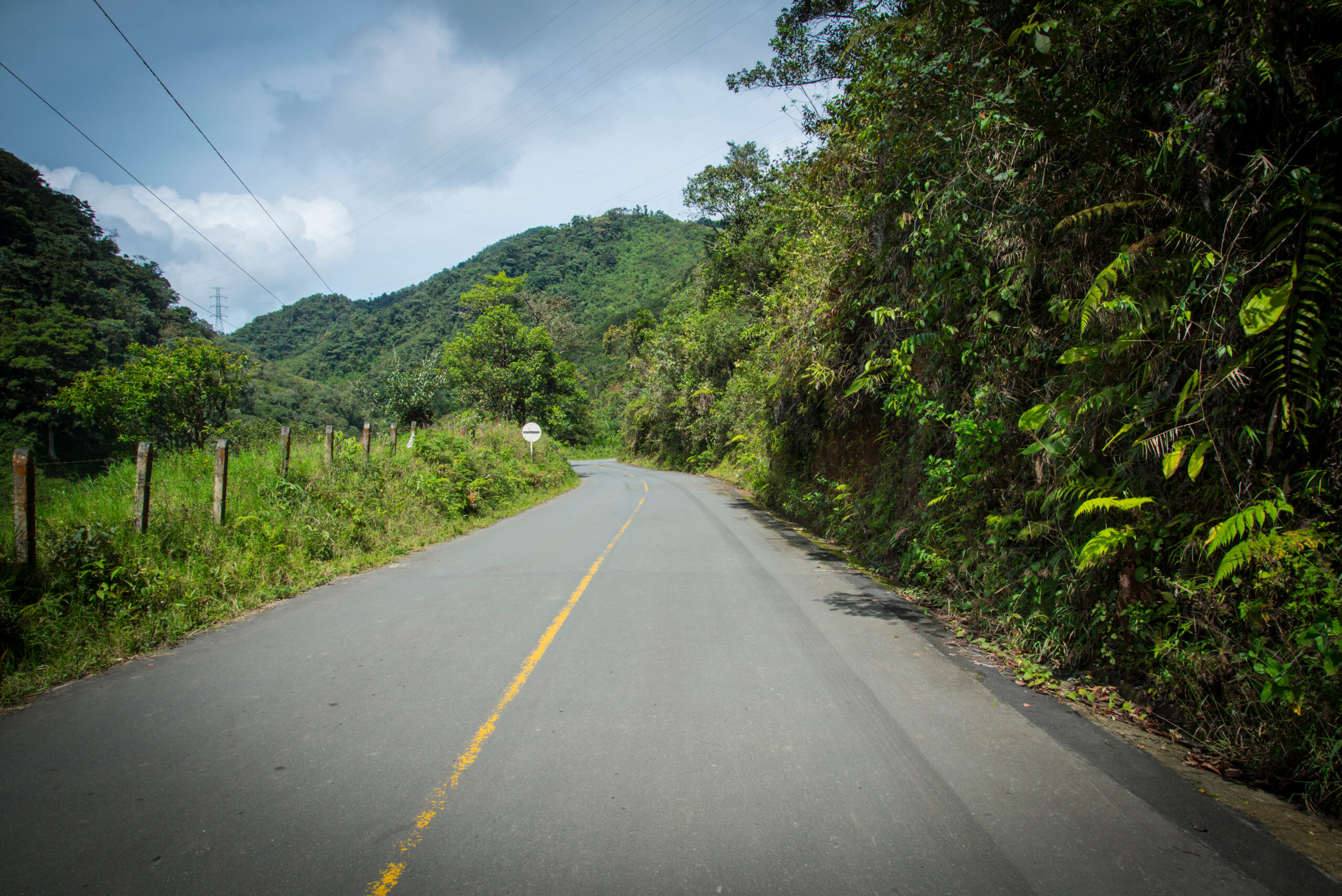
Planning a family adventure in Costa Rica? Renting a car can be one of the best decisions you make for exploring this incredible country at your own pace. From the misty cloud forests of Monteverde to the sun-soaked beaches of Guanacaste, having a family-friendly car gives you the freedom to create your own schedule, stop for hidden waterfalls, and discover wildlife along the way.
In this guide, we’ll show you how to rent a car in Costa Rica for families, the best family-friendly cars for Costa Rica travel, and insider tips for navigating local roads safely. Whether it’s understanding tolls, choosing the right insurance, or adjusting to Costa Rica’s unique driving culture, this guide has everything you need to make your self-drive adventure smooth, fun, and stress-free.
By the end, you’ll feel confident planning a Costa Rica road trip with kids, knowing exactly what to expect and how to make the most of your family travel experience.
Read Our Full 10-Day Itinerary!
Bookmark these reads for later:
- Where to Stay in La Fortuna, Costa Rica: Family-Friendly Hotels & Areas
- Best Budget Stays in Costa Rica for Families: Regional Guide
- Best Tours in La Fortuna, Costa Rica: Adventures for Families
- 3-Day Family-Friendly Itinerary in La Fortuna, Costa Rica
- Best Restaurants in La Fortuna, Costa Rica for Families
- Best All-Inclusive Resorts in Costa Rica For Families (2026 Guide)
- 10 Unique Things to Do in Costa Rica for Families & Where to Find Them
- Costa Rica Bucket List – 50 Amazing Things to Do & See
- Best Places to See Wildlife in Costa Rica: Top National Parks and Tours
- What to Pack for Costa Rica: The Ultimate Family Packing Guide
- Hot Springs in La Fortuna Costa Rica: Family Guide to the Best Thermal Pools
- Is Costa Rica Expensive for Families? Cost Breakdown + Budget Tips
- Costa Rica Travel Tips for Families: 50 Things Every Family Needs to Know
- Must-Try Foods in Costa Rica: Top Dishes Even Kids Will Love
Shop Our Kids Activity Workbooks – Available As Instant PDF Downloads!

This blog may include affiliate links, meaning if you buy something through one of our links, I may earn a small commission at no extra cost to you. Affiliate links help sustain our blog and allow us to continue traveling. Thank you for your support!
Is It Easy to Drive in Costa Rica?
Yes! (If you’re prepared, cautious, and realistic)
Driving in Costa Rica isn’t just about getting from point A to point B—it’s often the most flexible way to explore this lush, biodiverse country. For visitors from the U.S., Canada, or Europe, driving here is manageable, but it comes with unique challenges. Roads can range from smooth highways to bumpy rural tracks, weather can be unpredictable, and local driving styles may feel a bit more “adventurous” than you’re used to.
That said, with preparation, awareness, and the right vehicle, a self-drive in Costa Rica can be a fantastic way to explore volcanoes, cloud forests, waterfalls, and pristine beaches on your own schedule.

Road Types in Costa Rica: What to Expect
Costa Rica has a mix of well-paved highways connecting major cities and airports, and secondary or rural roads that can be unpaved, narrow, and sometimes muddy after rain.
Main Roads
- Interamericana/Route 1: The Pan-American Highway passes through the Central Valley and connects Liberia to San José. It’s the backbone for many long drives.
- Route 27: Connects San José to the Pacific coast, a modern toll highway with smooth surfaces—perfect for travelers heading to beaches like Jaco or Manuel Antonio.

Secondary and Rural Roads
- Often gravel or dirt, especially in the Nicoya Peninsula, Southern Zone (Osa Peninsula), and Caribbean regions.
- After rain (and during rainy season), potholes, mud, and river crossings can make travel slow and challenging.
- 4×4 vehicles are strongly recommended for rural and highland areas, especially during the rainy season (May–November).
Popular Drives
- San José → Arenal/La Fortuna
- Route: San José → Alajuela → La Fortuna (~130 km / 2.5–3 hours)
- Highlights: Arenal Volcano, hot springs, La Fortuna Waterfall.
- Road: Mostly paved, some rough patches near and around La Fortuna.
- San José → Manuel Antonio
- Route: San José → Route 27 → Quepos (~170 km / 3–4 hours)
- Highlights: Pacific beaches, national park wildlife.
- Road: Toll highway then rural roads; 4×4 optional but recommended if exploring nearby jungles.
- Liberia → Tamarindo / Guanacaste Coast
- Route: Liberia → Tamarindo (~70 km / 1.5–2 hours)
- Highlights: Surfing, beaches, sunsets.
- Road: Mostly paved, some rural detours; 4×4 recommended in rainy season.
Renting a Car in Costa Rica: Step-by-Step
1. Who Can Rent
- Drivers must be at least 21 years old, though some companies require 23–25 for certain vehicles.
- Valid driver’s license from your home country; international driving permits are not required but recommended if your license is not in English or Spanish.
- Credit card in the main driver’s name is usually required for the deposit.
2. Vehicle Types
- Compact cars: Best for city driving; limited use on rural roads.
- SUVs / 4x4s: Recommended for beach towns, highlands, volcano areas, and dirt roads.
- Vans / Family vehicles: Useful for larger groups or families.
- ATVs or motorcycles: Available in some beach areas; not ideal for long highway drives.
3. Popular Rental Companies
- Adobe Rent a Car: Known for reliability and transparent pricing.
- Alamo / National / Enterprise: International chains with airport pickups.
- Vamos Rent a Car: Local company with 4×4 options and coverage in remote areas.
- Budget / Economy Rent a Car: Available in Liberia and San José; good for budget travelers.
4. Insurance Options
Insurance is crucial in Costa Rica. Many companies offer mandatory or optional coverage. Always verify:
- CDW (Collision Damage Waiver): Usually mandatory; covers damage to your vehicle.
- LDW (Loss Damage Waiver) / Theft Protection: Important for theft or serious damage.
- Third-party liability: May be included; confirm limits.
- Additional gravel/rural road coverage: Recommended if traveling outside main highways.
Pro Tip: Insurance is often sold separately, and rental companies may insist you purchase it—even if your credit card offers coverage. Always check policies carefully and verify with your credit card company before relying on them for coverage.
5. Average Costs
- Economy/compact car: $30–$50/day
- SUV / 4×4: $50–$80/day
- Insurance: $10–$30/day, depending on coverage
Driving Rules and Regulations in Costa Rica
Understanding local laws is essential for safety and avoiding fines.

Seatbelts
- Mandatory for all passengers.
- Children under 12 should ride in the back seat; car seats for younger kids are recommended but not always enforced.
- Bring child seats or booster seats; rental companies often have them for a fee.
Speed Limits
- Urban areas: 40–60 km/h (25–37 mph)
- Rural/paved roads: 60–80 km/h (37–50 mph)
- Highways: 80–100 km/h (50–62 mph)
- Speeding fines are strictly enforced; police often set up checkpoints.
Alcohol and Driving
- Legal blood alcohol limit: 0.05%
- DUI penalties: fines, vehicle impoundment, and possible jail.
Mobile Phones
- Hands-free only; texting while driving is illegal.
Headlights
- Recommended at all times, especially on highways and in rain.
Tolls
- Major toll highways: Route 27, Route 32, Route 1 segments.
- Fees: Typically $1–$6 per toll depending on vehicle type. Payment is usually cash or a prepaid card.
Parking
- Urban areas (like San Jose): meter rates $0.50–$1 per hour.
- Tourist areas: secure parking lots often charge $5–$10/day.
- Illegal parking can result in fines or towing.
Driving Culture in Costa Rica: What’s Different from the U.S.
If you’re used to driving in the U.S., Costa Rica will feel familiar in some ways—but a little different in others. Understanding the local driving culture helps you stay safe and avoid frustration.
Similarities
- Traffic laws exist and are enforced: Speed limits, DUI laws, and seatbelt rules are officially enforced, and fines can be steep.
- Roundabouts are common: Just like in the U.S., you yield to traffic already in the circle.
- Highways and signs are generally clear: Main routes between major cities and airports are easy to navigate with GPS.
Key Differences
- Overtaking and lane discipline
- Local drivers may overtake on blind curves or single-lane stretches.
- Lane discipline is more flexible; drivers often hug the center line or swerve slightly to let faster vehicles pass.
- Use of horns
- Honking is more common and often signals “heads up” when approaching curves, intersections, or slow vehicles.
- Speed perception
- Locals may drive faster on mountain roads despite curves and potholes.
- Urban traffic may feel slower due to pedestrians, animals, or bikes.
- Road etiquette
- Yielding to pedestrians is less consistent outside cities.
- Waving or flashing lights to communicate intentions is common.
- Punctuality vs. flexibility
- Traffic delays are accepted; locals are more relaxed about timing.
- Navigating unpaved roads
- Locals drive confidently on dirt roads, often faster than tourists.
Practical Tips for U.S. Drivers
- Drive defensively: Expect surprises like potholes, animals, or sudden stops.
- Stay calm when locals overtake aggressively.
- Use lights and horns wisely to communicate.
- Adjust expectations: Plan extra travel time for rural drives.
- Plan frequent stops—long drives can be tiring for kids on bumpy roads.
- Carry snacks, water, and rain gear, especially in rural areas.

Cautions and Challenges
Road Conditions
- Secondary roads can have potholes, mud, and river crossings, especially in rainy season.
- Narrow and winding mountain roads require careful driving.
- Always carry a spare tire and know how to change it.
Wildlife and Pedestrians
- Animals like cows, horses, and monkeys may wander onto roads.
- Watch for pedestrians on narrow rural roads.
Rain and Flooding
- Heavy rain can cause temporary road closures or washouts.
- Avoid driving on flooded roads—depth can be deceptive.
Local Driving Habits
- Drivers may overtake aggressively, especially on narrow roads.
- Horns are used for warnings; don’t take it personally.
Fuel and Costs
- Gas stations are frequent on main highways; less so on rural roads.
- Average gas price: $5–$6 per gallon
- Payment is usually cash or credit card; some pumps require paying inside first.
Emergency Tips
- Carry a charged phone and backup charger. Coverage can be spotty in remote areas.
- Keep a first aid kit and a basic tool kit in the car.
- Know the nearest hospital or clinic if driving to remote regions like Osa Peninsula or Monteverde.
Quick Recap
Driving in Costa Rica offers freedom, flexibility, and access to the country’s most beautiful locations. However, careful preparation is key:
- Choose the right vehicle (SUV or 4×4 for rural areas).
- Purchase appropriate insurance & verify coverage and limits.
- Be aware of road conditions, weather, and local driving habits.
- Respect speed limits, alcohol laws, and seatbelt rules.
- Prepare for tolls, parking, and remote area travel.
With preparation, driving becomes part of the adventure, letting you reach waterfalls, volcanoes, cloud forests, and beaches at your own pace.
Costa Rica’s roads might challenge you a bit more than the U.S.—but the rewards are huge. From the misty peaks of Monteverde to the Pacific sunsets in Tamarindo, renting a car opens the door to truly unforgettable self-drive adventures.

Leave a Reply